How does a live action zombie game work? A team receives an objective inside a staged space, completes it while zombies add pressure, and wins by finishing the mission together. The main condition is that the objective, not survival alone, decides the result.
This guide covers mission mechanics only. For the wider picture, see the live action zombie experience hub, and for the practical side of a visit read what to expect at a live action zombie game.
The mission loop from briefing to exit
A mission works as a loop of stages that repeats until the team finishes or fails. Reading it as a sequence explains most of the rules, because each stage hands the team something the next stage needs.
- Brief the team. A host explains the goal, the playing area and what counts as success, so every player starts with the same picture of the mission.
- Plan the approach. The team agrees who does what and in which order before it moves.
- Move through the space. Players advance toward the objective while zombies make open movement risky.
- Complete the objective. The team retrieves, unlocks, carries or defends whatever the mission centres on.
- Reach the exit. Finishing the objective usually opens the way out, and getting there together ends the mission.
Because the objective sits in the middle of the loop, a team that avoids zombies perfectly but never completes the task has not won. A team that completes the task but loses its members on the way has not won cleanly either. The next sections break those stages down.
Briefing and planning the objective
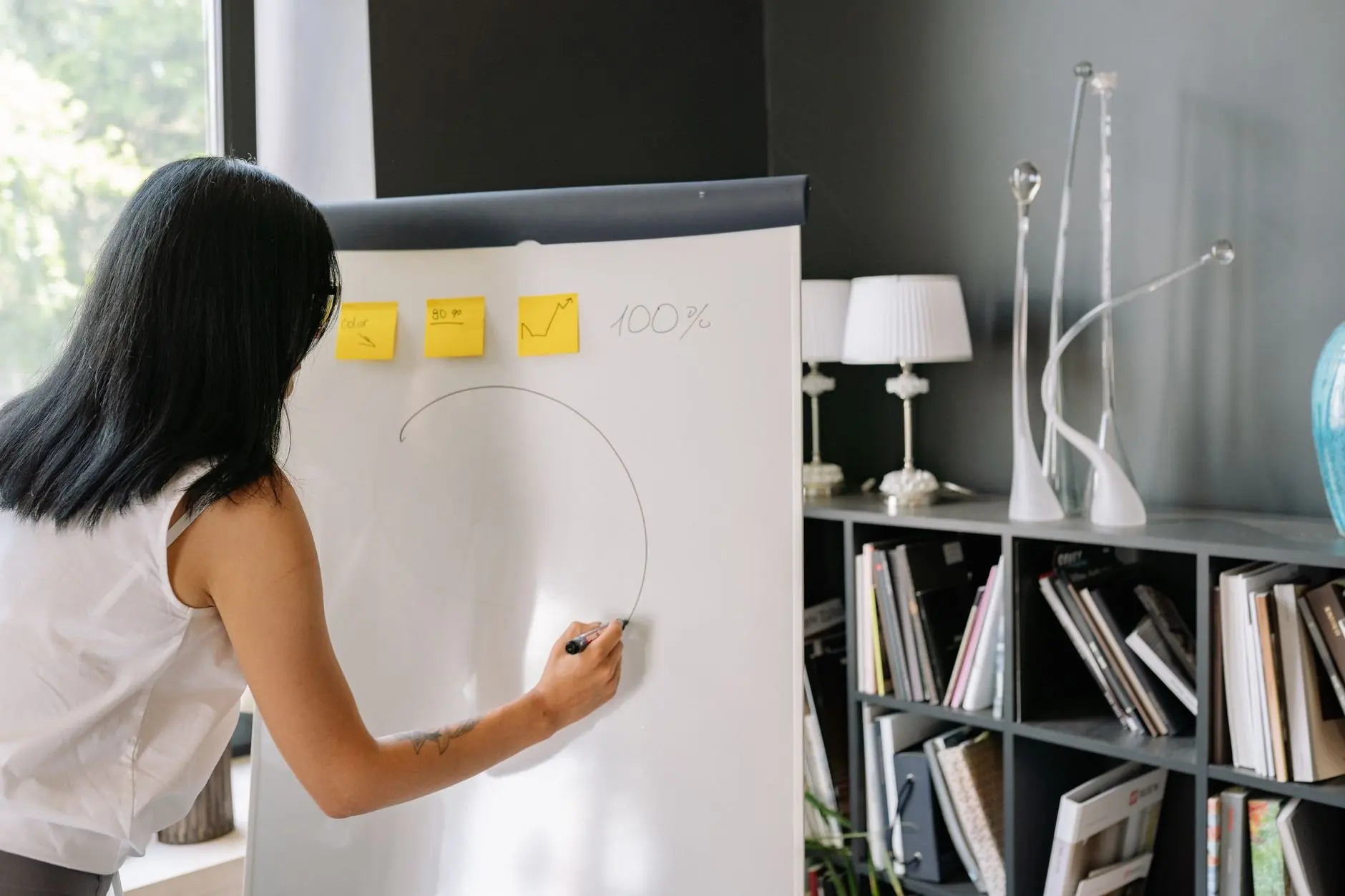
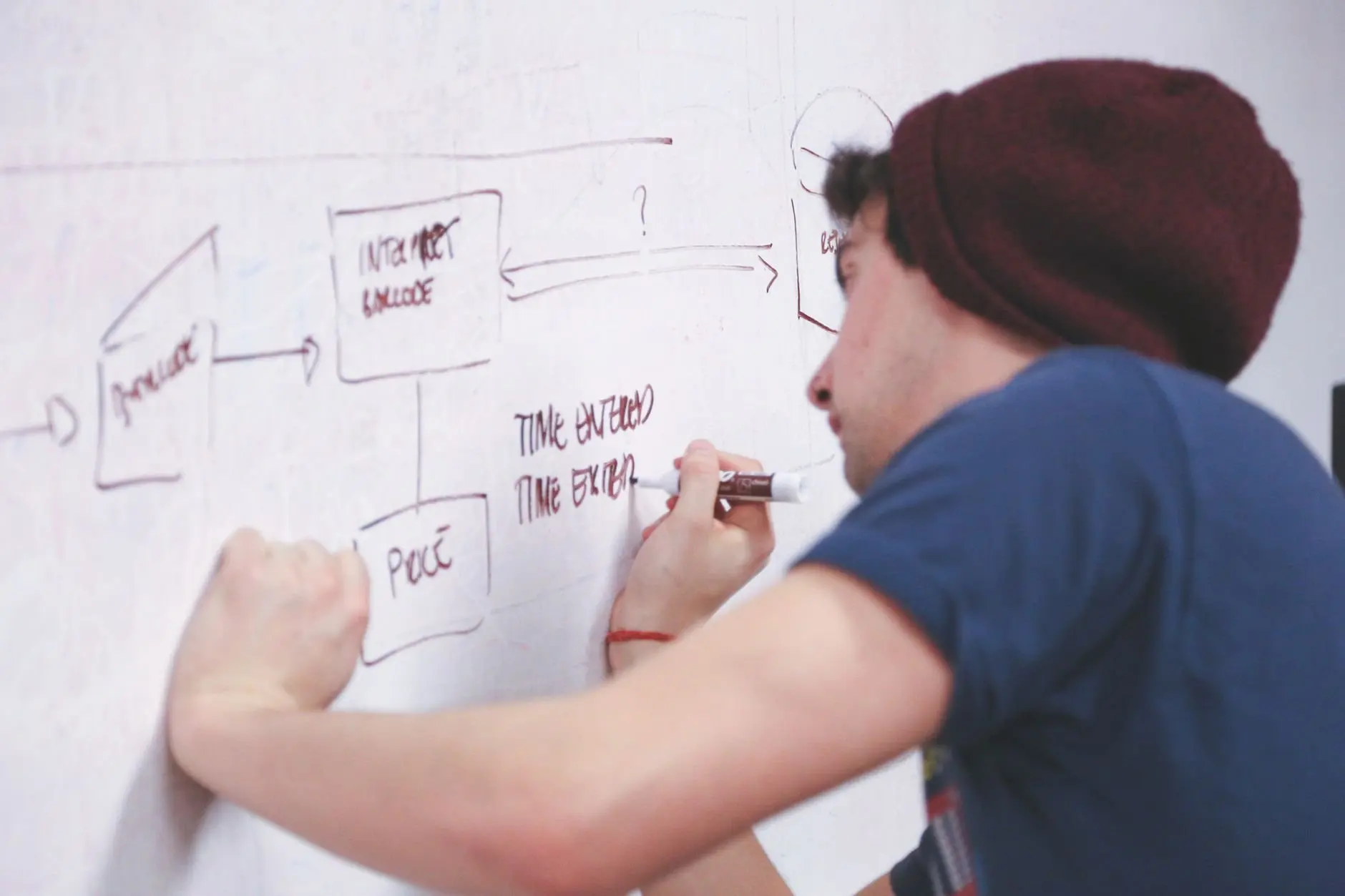
The briefing turns a loose story into a task. It tells the team what the objective is, where it sits in the playing area and what the zombies will make difficult. A printed map is the natural tool here, because objectives are tied to places.

Planning follows the briefing and is where cooperative design shows. Coverage of the zombie game Class3 notes that one player guides the rest in deciding where to set up a settlement, and that role also covers supply raids and fortification. A live team benefits from the same split: one voice sets the order of tasks and the others carry them out.
Common objective types
Most missions are built from a small set of objective types, and one mission often chains several together. The type tells a team what to prioritise, which is why it matters more than the zombies themselves.
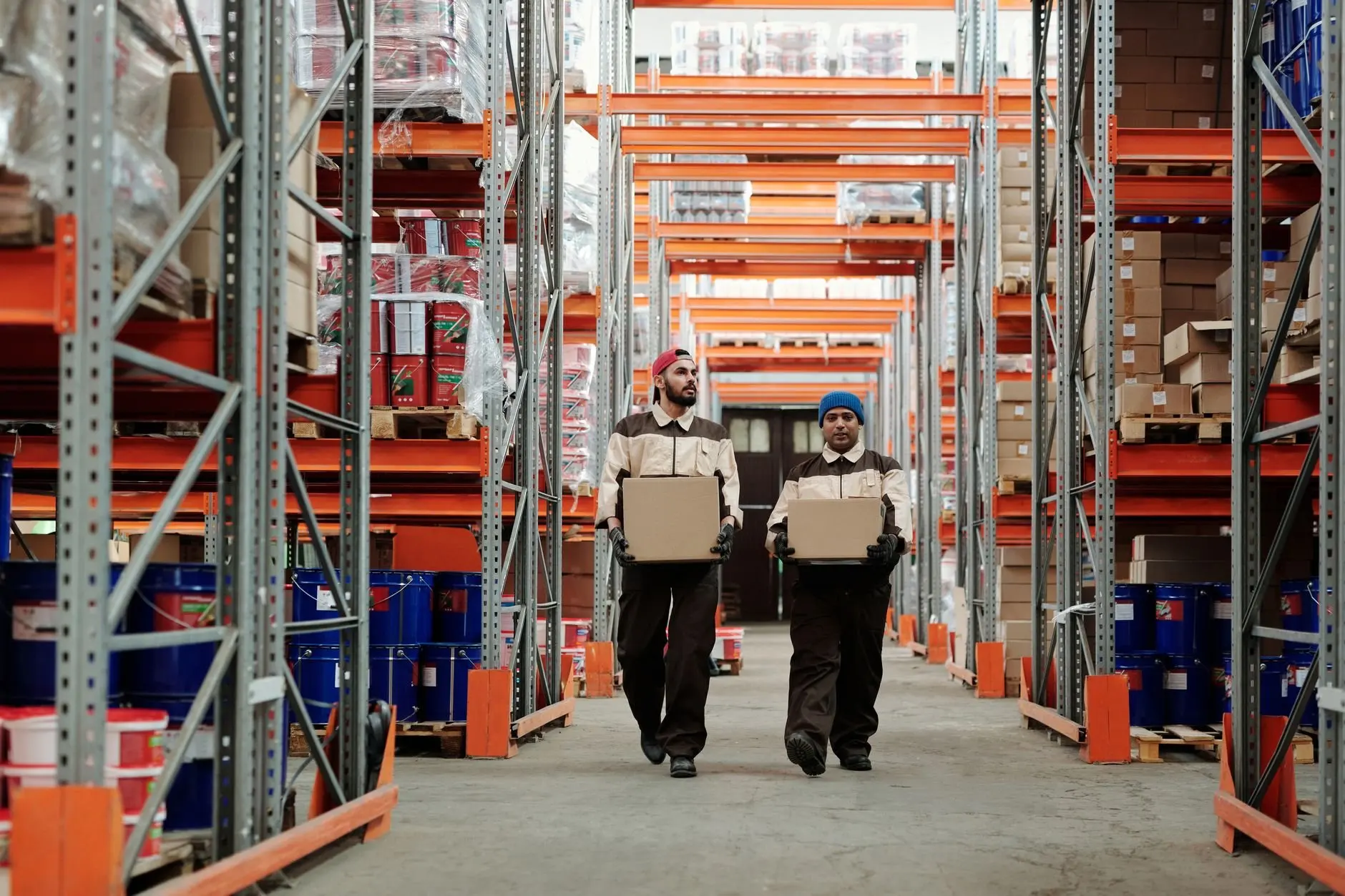
- Retrieve and unlock. The team finds an item, such as a prop keycard or code, and uses it on a locked door or panel. This rewards searching and communication, because the item and the lock are rarely in the same place.
- Carry or escort. Players move a prop crate or a team member from one point to another. It slows the group down, so it suits teams that protect their carriers instead of rushing ahead.
- Raid for supplies. The team enters an area to collect resources and returns. Class3 describes supply raids as part of its survivor gameplay, and the same logic applies to any collect-and-return task.
- Fortify or hold. The team secures a position against zombies. The Class3 coverage lists fortification alongside raids and settlement choices as work the survivors share.
Choose your approach by the type. A retrieve-and-unlock mission needs scouts who report back, while a carry mission needs the whole team to stay close. Treating every objective as a race usually costs the team the task it came for.
How teams win a zombie survival game
A team wins a zombie survival game by completing the stated objective and reaching the exit, not by defeating every zombie. Survival is the condition that lets the objective be finished, which is why teams are judged as a group.
Cooperation, not competition
Teams in this format cooperate. The Class3 coverage frames its premise as the last few survivors who need to band together to survive, and the zombies are the opposition rather than another team. A mission built this way gives every player a part of the same task, so one person’s success does not come at another’s expense.
What losing looks like
A mission is lost when the team can no longer complete the objective inside the rules, for example when it runs out of time or too many members are out of play. Exact limits vary by operator, so confirm the rules at the briefing instead of assuming them. Time pressure is the most common reason a good plan fails, because it punishes teams that argue instead of acting.
How zombies shape the objective
Zombies do not replace the objective. They make each step of it costly, and that cost is what turns a simple task into a mission.
Design coverage of Left 4 Dead describes fast and frantic team-based gameplay in which players conserve ammunition, use team tactics and hide from infected hordes. Those three behaviours translate directly to a live mission: spend resources carefully, move as a unit, and break contact when a task is not worth a fight.
The same distinction appears in how the genre is judged. Kotaku’s description of a weak entry is a shooter of some sort with enemies that just happen to be the walking dead. A strong mission avoids that trap by making the objective the point and the zombies the obstacle.
The situation also changes as the team acts. The Class3 coverage says its world changes in real-time based on what the player does. In a live mission this means that opening a door, making noise or leaving a task unfinished can alter what the team faces next, so decisions carry consequences.
A generic mission, step by step
The following example is an illustration of mission logic, not a description of any particular venue. It shows how several objective types chain into one mission with a single win condition.
Brief and plan
The host explains that the team must restore access to an exit sealed by a locked door. The team studies the map, agrees on a scout and a carrier, and picks a signal for calling a retreat.
Retrieve and unlock
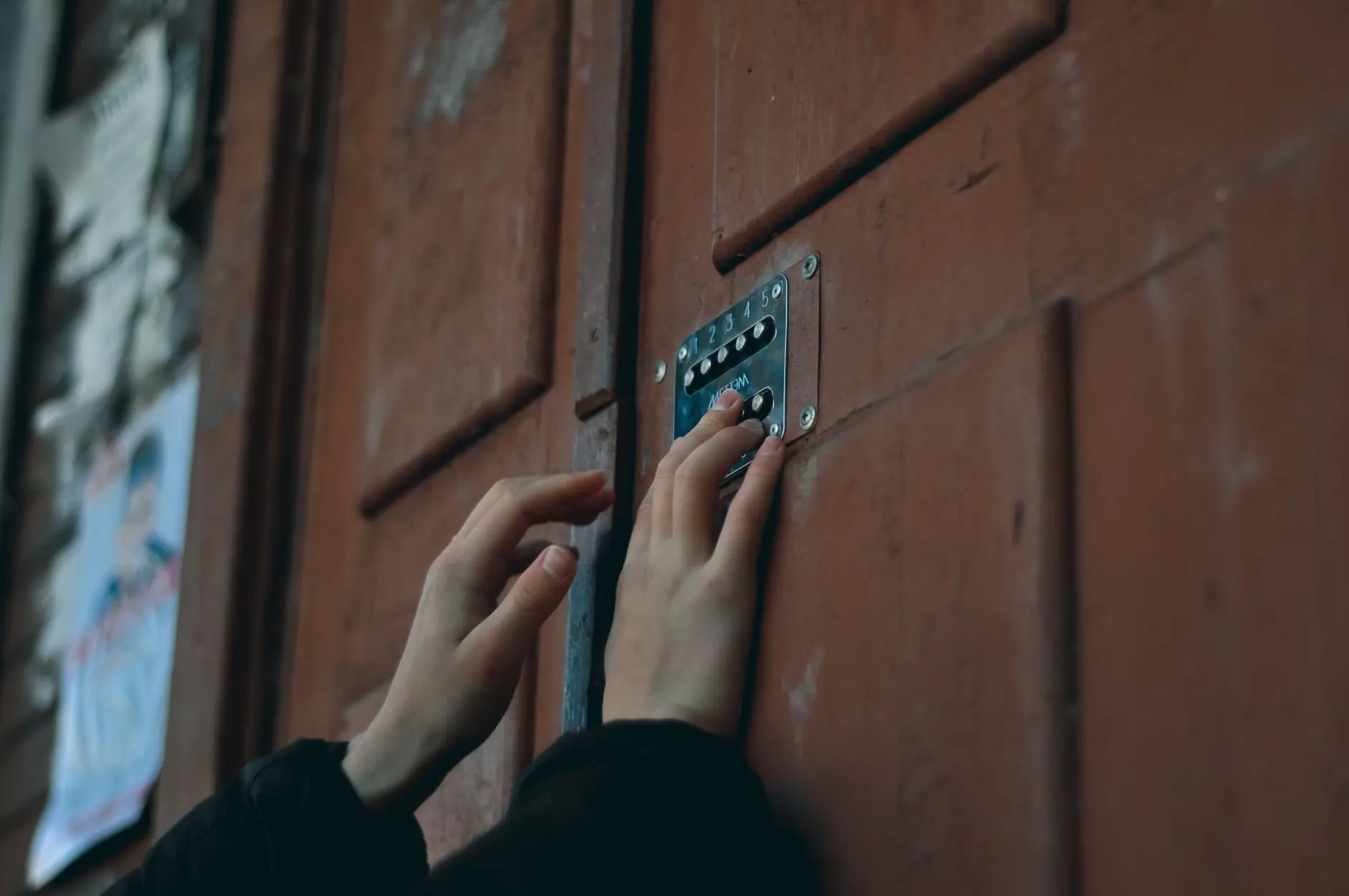
The scout finds the key item in a side room while the rest hold a corridor. The team brings the item to the sealed door and unlocks it. Success here depends on the team staying in contact, not on individual speed.
Carry the supplies
Behind the door sits a prop supply crate that must go to the exit. Two players carry it while the others cover them, so the group moves at the carriers’ pace.
Reach the exit
The mission ends when the crate and the team cross the exit together. If the team cannot complete the carry before the mission’s limits are reached, the mission is lost, even if most players are still standing.
Using this before you play
Knowing the mission loop lets a team spend its briefing on the right questions: what the objective is, what ends the mission and who covers whom. Practical preparation matters too, and what to wear to a live action zombie game covers the clothing side so movement does not slow the plan.
Frequently asked questions
What is an objective in a zombie game?
An objective is the task the team must complete to win, such as retrieving an item, unlocking a door, carrying supplies or holding a position.
Is a zombie mission just a shooter with zombies?
No. Kotaku draws that line by criticising games that are a shooter with enemies that just happen to be the walking dead. A mission is organised around its objective, and zombies are the obstacle.
Does the mission change while the team plays?
It can. Coverage of Class3 says its world changes in real time based on player actions, and live missions follow the same cause-and-effect logic when the team’s choices alter what comes next.
Which team skills matter most?
Design coverage of Left 4 Dead highlights conserving ammunition, using team tactics and hiding from hordes. In a live mission these become careful use of resources, moving as a group and knowing when to avoid a fight.