| Topic | What to know | Planning use |
|---|---|---|
| Format | Live action role-play with a zombie theme. Players wear costumes, keep a fixed role and improvise every action and line. | Expect to take part rather than watch. Choose it if you want to act, not only react. |
| Story | Theatrical games are led by a storyteller who presents the situations players face. | Listen closely at the start, because the storyteller sets the problems you will solve. |
| Outcomes | Results can be decided by dice, a rock-paper-scissors-style throw or drawing cards. | Ask the operator how results are settled so nothing in the rules surprises you. |
| Teamwork | In player-versus-environment play, players work together on the problems and set player-versus-player aside. | Book as a team and agree roles before you arrive. |
| Contact | Player-to-player combat happens only if opponents agree to fight each other. | Treat consent as the baseline. Check the operator’s own contact rules. |
| Setting | Events take place in woods or in buildings decorated to the theme. | Match footwear and clothing to the setting the operator describes. |
| Effort | LARP is described as an excellent source of physical and mental exercise. | Plan for activity and quick thinking, not a seated show. |
The table draws on a published overview of live action role-play, which describes the format that zombie events adapt.
A live action zombie experience is a team-based role-play game. You play a costumed character, work with other players to solve problems, and face actors dressed as the undead. It suits groups who want to take part, not just watch.
This guide is the starting point for the format. It explains what the experience is, how a mission runs, which rules shape play, who it suits and how to prepare. If you want a detailed walk-through of the day, start with what to expect at a live action zombie game.
What a live action zombie experience is
A live action zombie experience is live action role-playing with a zombie premise. LARP stands for Live Action Role-Play, and the zombie version places that format inside an outbreak story. The players are the characters, and the threat is played by people instead of appearing on a screen.
The role-play core
In LARP, players wear costumes and keep a fixed role, but every action and every line is improvised on the spot. That description explains most of what makes a zombie experience different from watching a film or walking past scenery. Nobody hands you a script. You decide how your character reacts when something moves in the dark.
The practical consequence is that confidence with acting is not a prerequisite. A fixed role gives you a starting point, and the improvisation is whatever you and your teammates make of it. Quiet players can still contribute by watching, planning and calling out what they see. Players who enjoy performing will get more from the format than those who would rather observe.
Horror as a genre
Horror LARP appears among the listed LARP genres, next to science fiction and Nordic styles. A zombie experience is a horror game in that sense: the tone is built around tension and threat, and the story gives that tension a reason to exist. The genre label matters when you choose an operator, because it tells you the event is meant to unsettle you, not just to entertain you.
How it differs from a haunted attraction
A haunted attraction and a zombie experience share costumes, makeup and a dark atmosphere. The difference is the role you hold. In the LARP format, players have a character and a part in the story, so they act rather than only react. Some venues sit closer to a haunted attraction and others closer to a role-playing game, and the operator’s own description is the best guide to where a particular event falls. The comparison is developed in zombie experience vs haunted house, and the closely related running format is covered in zombie run vs zombie experience.
Why the team matters
The format is built around cooperation. In games that set player-versus-player aside, players work together to solve the problems they face. Strong friendships that last for years are described as developing at LARP events, which hints at why groups return together. For you, the decision is simple: if you are choosing between booking alone and booking with friends, the format rewards a team that has shared goals and agreed ways to communicate.
How a mission runs from start to finish
A mission-style experience follows a recognisable sequence: booking, check-in, briefing, play, resolution and a wind-down. The detail differs between operators, so read each operator’s published rules and FAQ before you rely on the order below. The full walk-through is in how does a live action zombie game work.
Booking and check-in
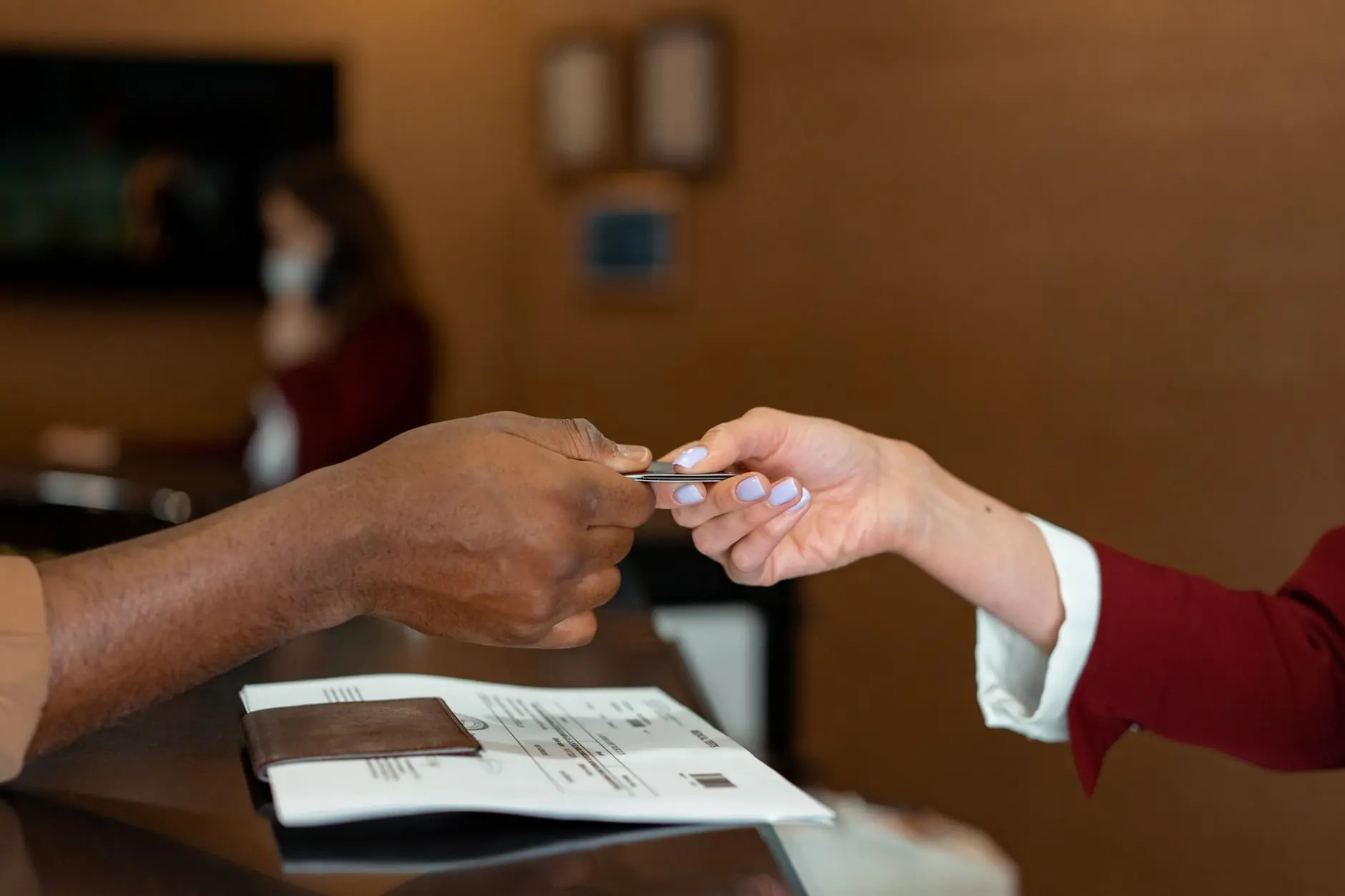
Booking is where you choose a session, confirm who is coming and read the operator’s conditions. Check-in is the moment those conditions become real, so allow time to read anything you are asked to sign instead of treating it as a formality. If you have not booked before, how to book a zombie experience sets out the steps in order, and the price side is covered in how much does a live action zombie experience cost.
The briefing
Theatrical LARP is led by a storyteller whose role is to tell the story and present the situations the players will face. In a zombie mission, the briefing is where that storyteller role is most visible. It sets the scenario, explains what your team is trying to achieve and tells you how the game will treat danger. Pay attention here. Whatever you miss in the briefing, you will have to work out under pressure.
A useful habit is to settle two things with your team immediately afterwards: who speaks for the group, and what you will do if someone needs a break. Those decisions cost nothing in the briefing room and are hard to make in the middle of a corridor.
Play: problems, choices and risk
Once play starts, the game presents situations and the players decide what to do. Characters can die at any time during an event, and each player is free to make whatever decisions they wish, as long as they respect the rules. In a zombie setting this means that bold choices carry a cost, and the story can punish carelessness. It also means that the experience is not a rail ride: your team’s decisions change what happens next.
Settling outcomes
When the result of an action is uncertain, the game needs a way to decide it. Outcomes can be determined by a throw of the dice, a rock-paper-scissors-style throw or by drawing cards. Not every zombie operator uses these methods, and some may use their own staff-run systems, so treat them as examples of how the format resolves uncertainty. What matters for you is to find out the method at the briefing and to accept the result in the spirit of the game.
Finishing the mission
Missions end when the story reaches its conclusion or the team has met or failed its goal. Afterwards, take time to talk through what happened. Groups tend to enjoy the experience most when they compare decisions, laugh at mistakes and note what they would try differently.
Objectives, props and gear
Objectives give a mission its shape. A team that knows what it is trying to achieve can make decisions, while a team without a goal tends to drift. The briefing is where objectives are set, and your job is to carry them through the noise and movement of play.
Using props as part of the story
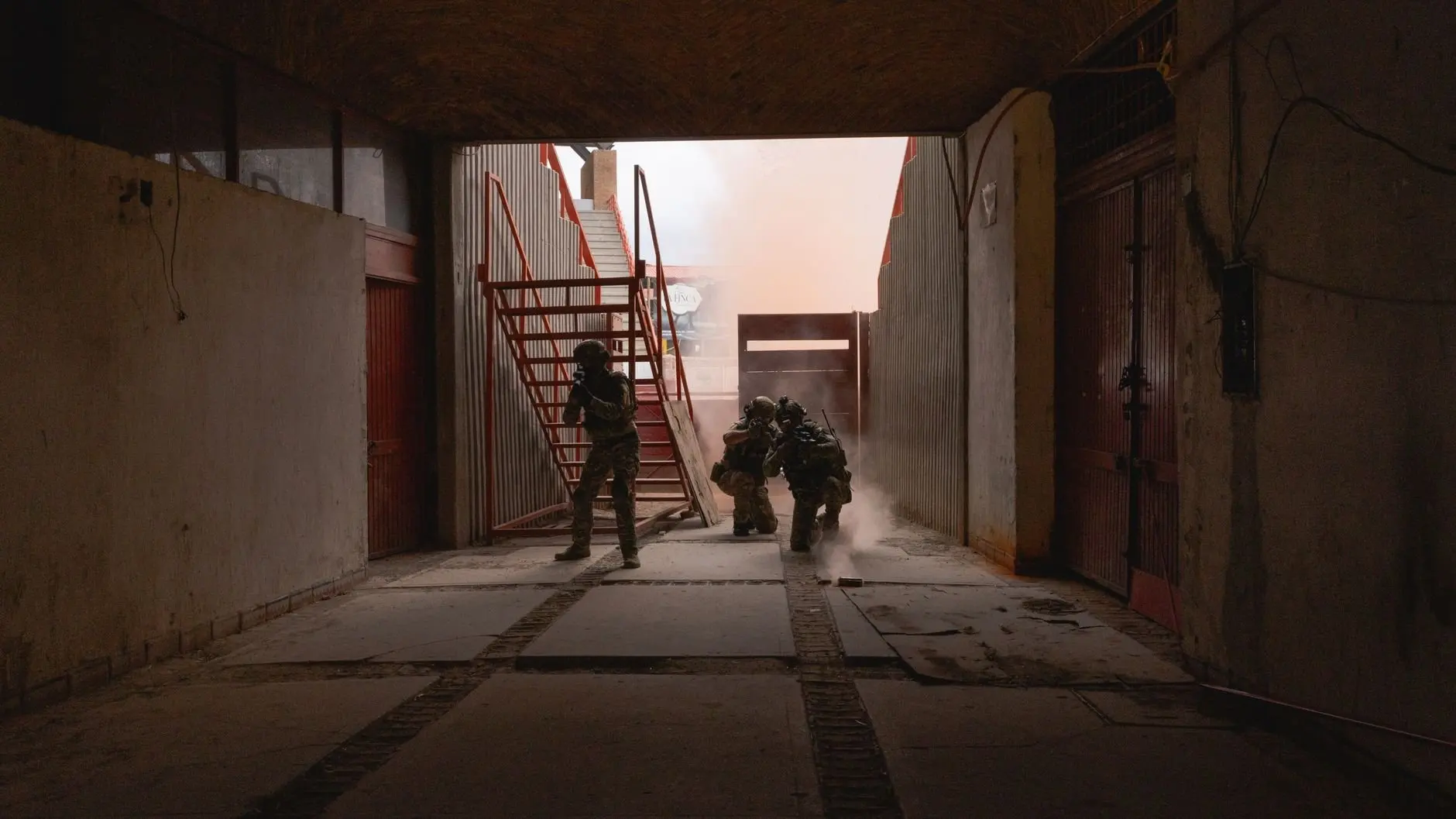
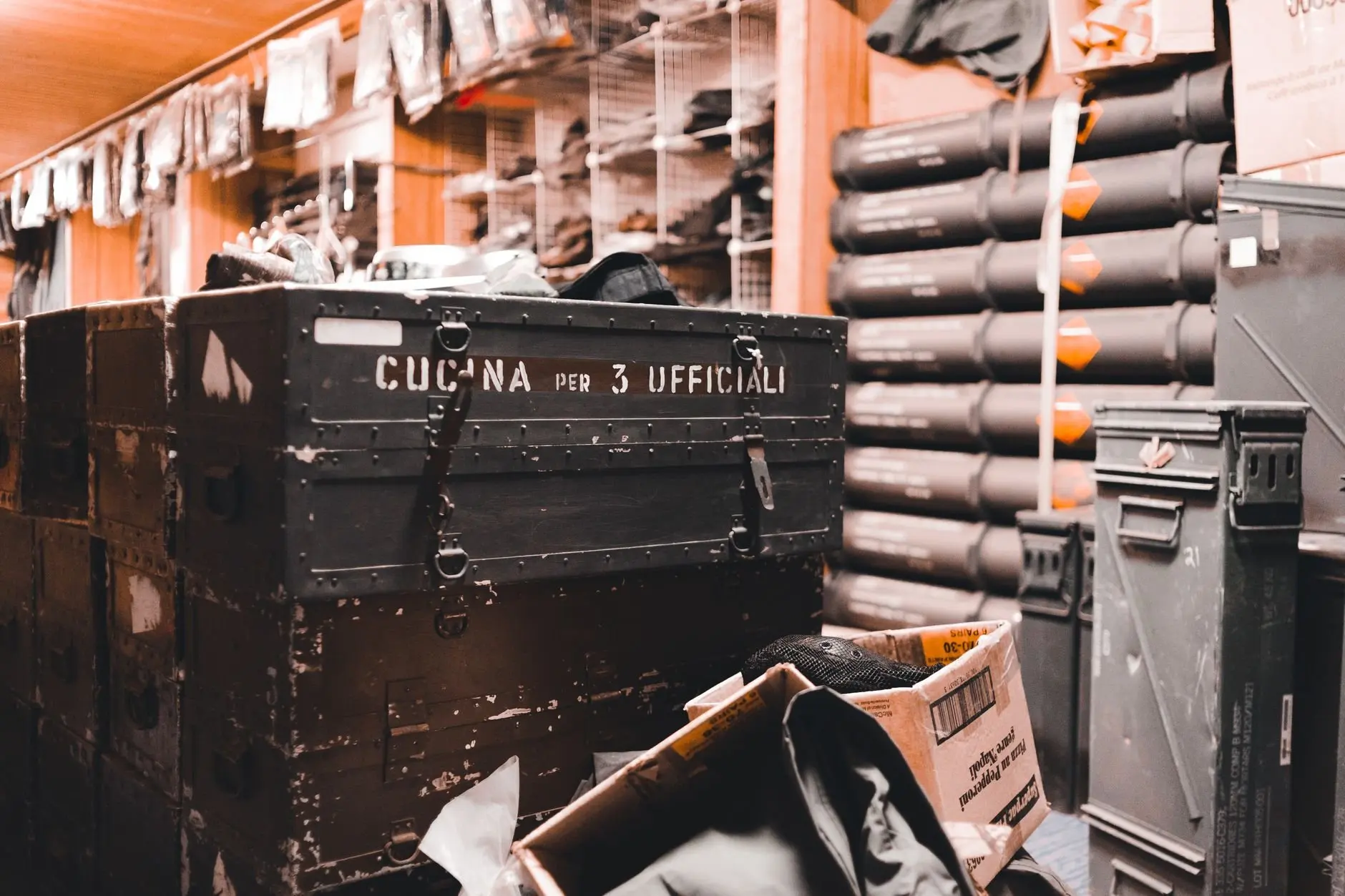
Events take place in the woods or in buildings decorated according to the theme, and the decoration is part of the game. Barricades, torches and supply containers are common props in this style of event. Treat them as part of the fiction, and follow the operator’s instructions on what you may pick up, move or open. The photograph below is a stock image of stacked cases and illustrates the kind of crate-style prop an operator might dress a set with, not a particular venue.
What you bring yourself
Your own gear is mostly clothing and footwear. Because events happen in the woods or in decorated buildings, comfort and grip matter more than looking the part. What to wear to a live action zombie game goes through clothing choices in detail, and how to prepare for a zombie experience covers the wider checklist, including what to do in the days before.
Zombie actors and makeup
The zombies are performed by people, and the performance is a big part of the experience. Costume and makeup carry the fiction for the players, and a convincing performer lets the team focus on the mission instead of the setting. In LARP generally, costume is central to how players understand who and what they are dealing with.
Makeup and character
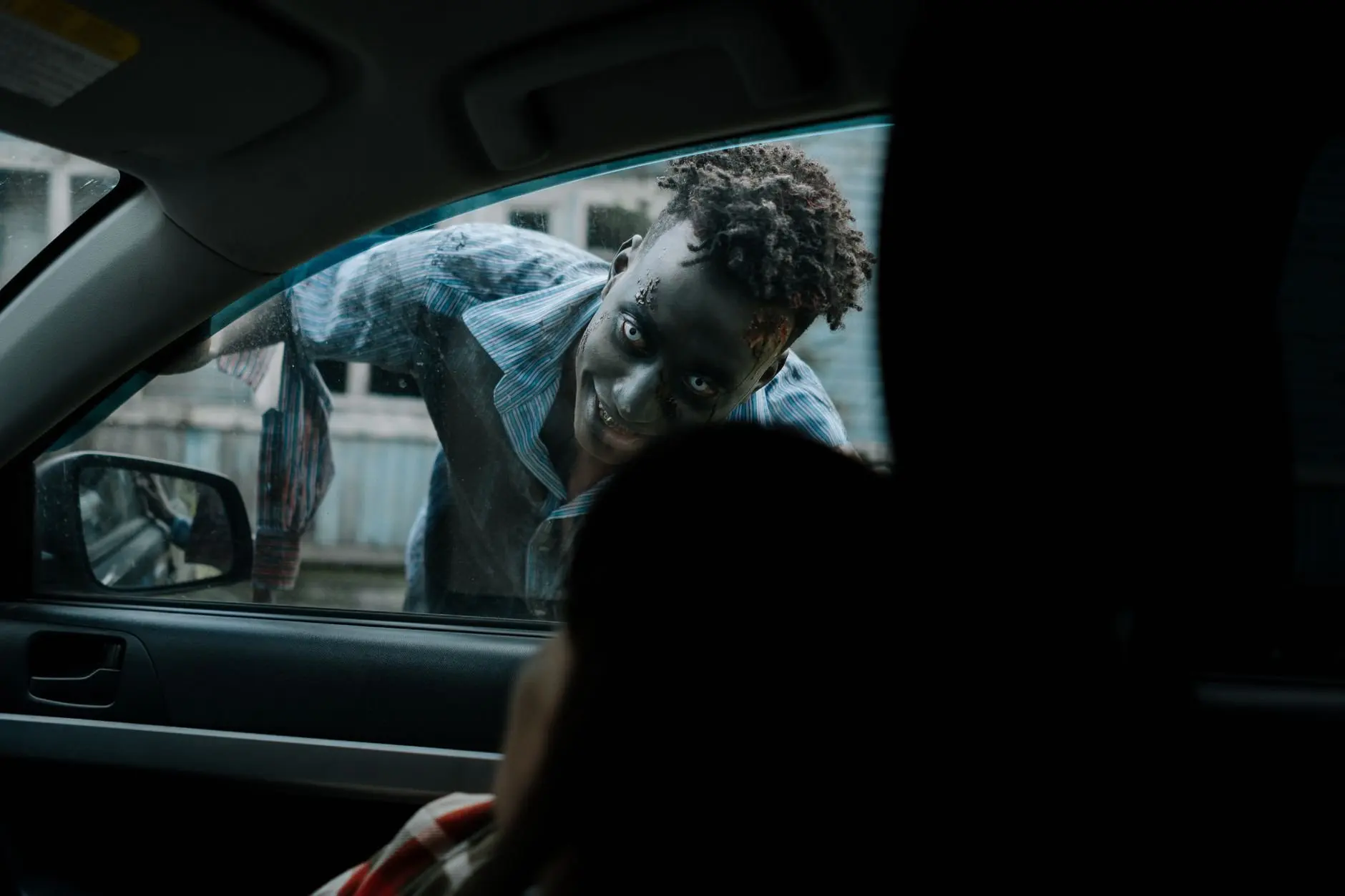
Zombie makeup typically uses pale skin tones, dark eyes and blood effects to signal what the character is at a glance. That quick read helps in a dark or crowded space, where there is no time for explanation. Treat the makeup as part of the game’s language: it tells you who is a threat and who is a teammate.

Actors are performers, not opponents
It helps to think of the actors as partners in a shared story. They play the threat, but they are working with you to produce an experience, and the operator’s rules govern how they behave. If you are curious about how performers are prepared and dressed, the behind-the-scenes look at zombie actors and costumes explores it from the production side.
Rules, contact and safety
The rules of the format exist so that tension can run high while everyone stays safe. Two ideas from the role-play world carry over directly: contact is by agreement, and trust between players is paramount. Beyond those, the operator’s own published rules decide what you may and may not do, and they take precedence over general descriptions. A fuller treatment is in zombie experience safety rules.
Consent and contact
In LARP, player-to-player combat is only possible if opponents agree to fight each other. In a zombie mission, where players work together against the environment, that principle points to a clear habit: do not treat teammates as targets, and do not assume any contact is acceptable unless the operator’s rules say so. If you are uncomfortable at any time, say so to staff.
Foam weapons and honesty
Battle-style LARP is fought mainly with foam weapons, also called boffers. Not every zombie event uses weapons, and the operator will say what, if anything, you are given. Where weapons or hit-calling do exist, honesty matters: trust and honesty between players is paramount in large-scale events, which are played without a referee in the middle of every fight. The takeaway for your team is to play fairly, even when nobody is checking.
Staff as the safety layer
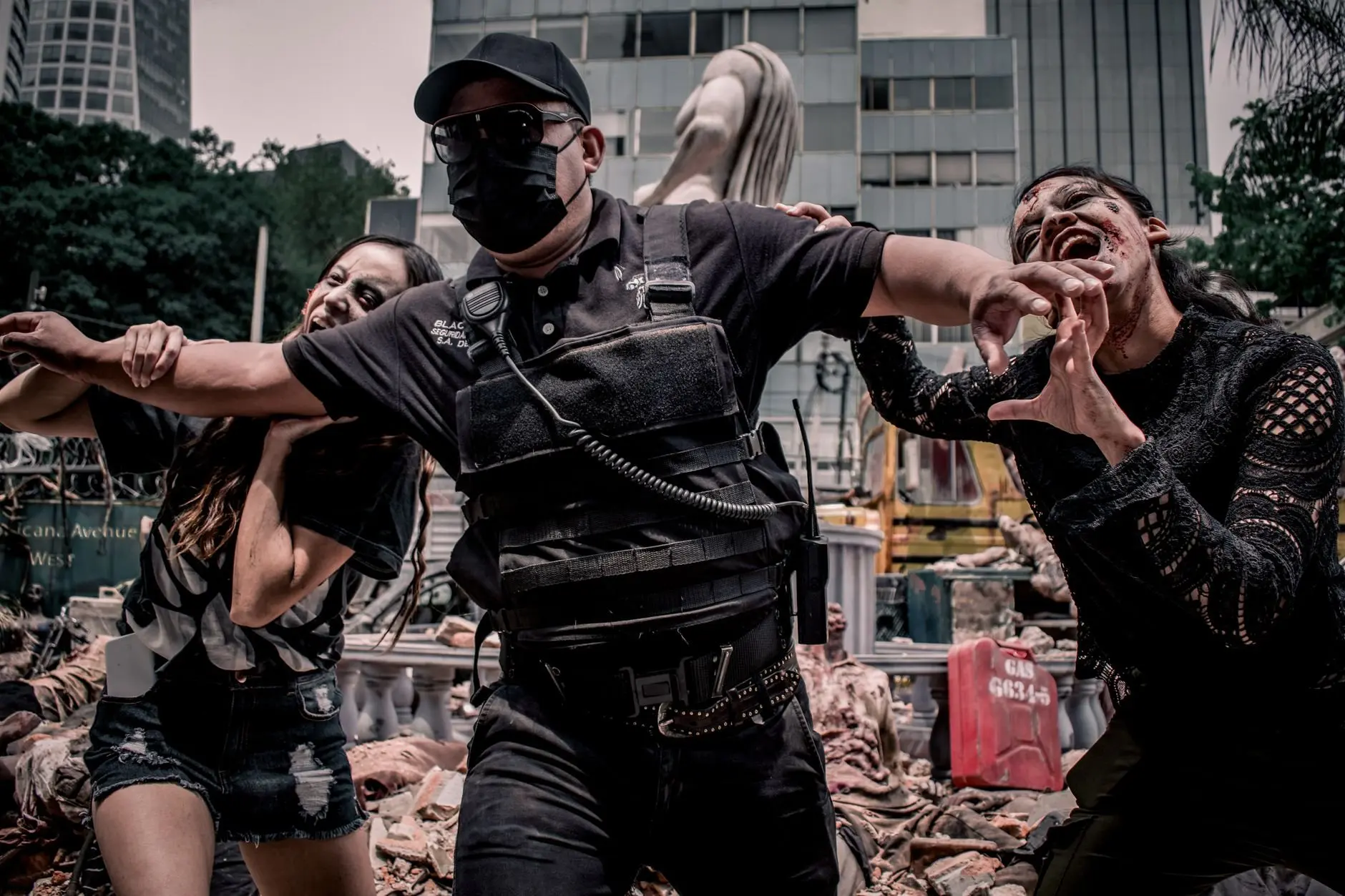
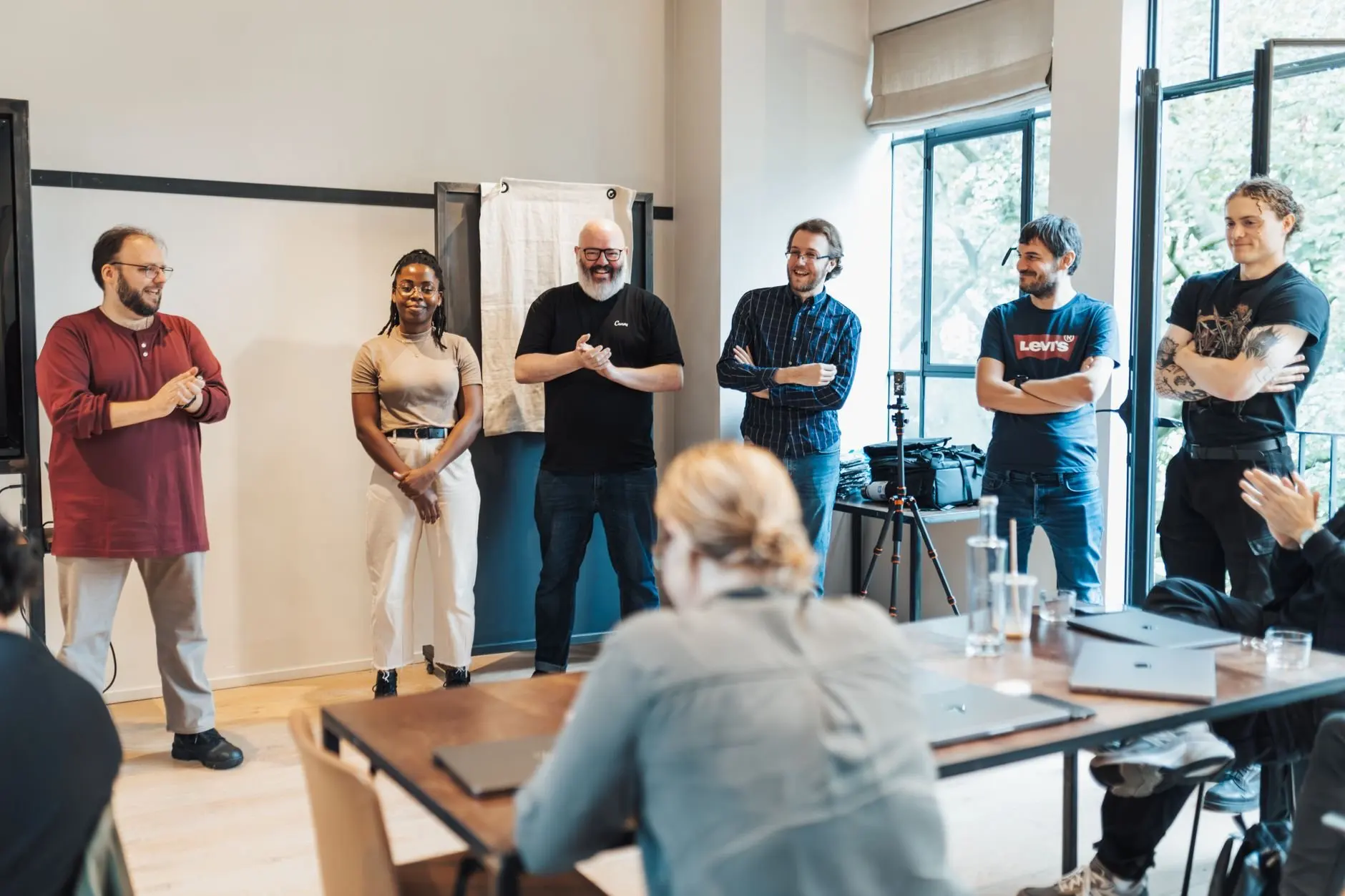
Staff stand between the fiction and real-world risk. In the photograph below, a staff member in a vest and cap holds a group of performers back from participants. It is a stock image and does not show a specific venue, but it captures the principle that a mission always has people watching for safety behind the story.
Character death and fair play
Because a character can die at any time, expect your team to lose members to the story. Accept it in the spirit of the game and follow the operator’s instructions on what happens next. A player who ignores an outcome spoils the game for everyone, while a player who accepts it makes the next mission better.
Is it too scary for kids or teens?
It depends on the event and the individual, and the operator’s age rules are the first thing to check. The format is horror-themed, and it is described as an excellent source of physical and mental exercise, so it asks more of participants than a passive attraction. A child or teenager who enjoys horror films may cope well, while one who is easily frightened may find the combination of darkness, noise and surprise too much.
Questions to ask before booking
- Age rules: read the operator’s published age requirements first, because they decide whether a child or teen can take part at all. The topic is covered in zombie experience age limit.
- Intensity: ask how intense the event is and whether a gentler option exists. The question of fear levels is developed in is a zombie experience scary.
- Contact rules: confirm that contact is agreed rather than assumed, since combat between players is only possible if opponents agree.
- Exit options: ask what a participant should do if they want to stop, and make sure younger players know it before play starts.
A practical judgement
If a young player is unsure, a calmer first outing or a conversation with the operator is a better choice than hoping for the best. The experience is meant to be fun, and a player who feels in control of their choices will enjoy it more than one who was pushed into it. Cooperation helps too: in games where players work together against the environment, a nervous teen can stay close to confident teammates.
Physical demands and settings
The format is active. Events take place in the woods or in buildings decorated according to the theme, and LARP is described as an excellent source of physical and mental exercise. That combination means you will be moving, thinking and making decisions at the same time, which tires people in a different way from a ride or a show.
Outdoors or indoors
Woods mean uneven ground, changing light and weather, while themed buildings mean tighter spaces and different hazards. Neither is automatically better. Choose outdoor play if you like space and fresh air, and indoor play if you prefer a controlled environment. Whichever you pick, check what the operator says about terrain and conditions before you decide what to wear.
Fitness and accessibility
You do not need to be an athlete, but you should be honest about what your body can do. If you have a mobility limitation or a health condition, contact the operator before booking and ask how the course works. A good operator will explain what is required and whether adjustments are possible. Pacing yourself and staying with your team is a sensible approach for everyone.
Who it suits and how to choose
The format suits groups that want a shared challenge. Because play is team-based and long-lasting friendships are described as forming at LARP events, it works well for friends, colleagues and families whose members are old enough under the operator’s rules. It is a weaker fit for someone who wants to be an observer, or for a group that cannot agree on how much fear is acceptable.

Groups and celebrations
Larger parties need more planning, because everyone must be comfortable with the same level of intensity. Group zombie experience covers how to organise bigger teams, and zombie experience bachelor party looks at a celebration-style booking. In both cases, the same rule applies: tell the operator who is coming and what you want from the day.
Choosing a location
Operators differ in setting, tone and rules, so compare them on the criteria in this guide: age policy, contact rules, setting and style of story. If you are looking at a specific destination, the page on zombie experience orlando applies the format to that area.
Getting the most from the day
Teams do better when they treat the mission as a shared task. Listen at the briefing, agree roles, communicate during play and debrief afterwards. For specific advice on handling the mission itself, see live action zombie game tips.
Frequently asked questions
What does LARP stand for?
It stands for Live Action Role-Play. A zombie experience is a themed version of that format.
Can players fight each other?
Only by agreement. Player-to-player combat is possible only if opponents agree to fight each other, and in cooperative games player-versus-player is set aside.
Can a character be eliminated during play?
Yes. Characters can die at any time during an event, and players are expected to accept that within the rules.
Where do these events take place?
Some events take place in the woods and others in buildings decorated to fit the theme. The operator’s listing tells you which applies.
Do I need acting experience?
No. Players keep a fixed role and improvise, so the part you play grows out of the situation rather than a script.