| Situation | Tactic | Planning use |
|---|---|---|
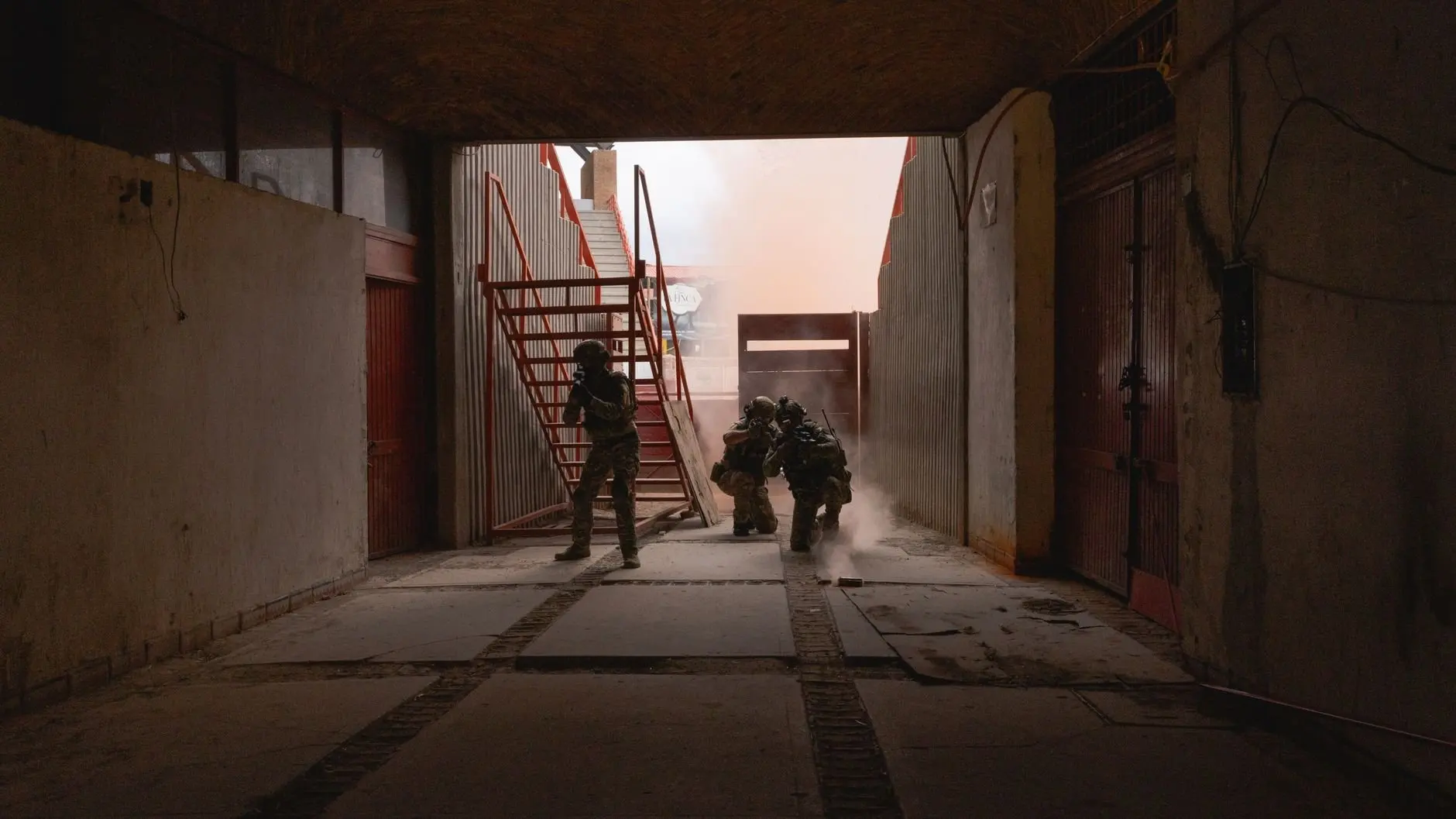
| Moving as a group | Stay within sight of teammates and cover every direction when you stop | Agree the formation in the safe zone before the game starts, not mid-chase |
| Talking under pressure | Use a few short, pre-agreed calls and one lead voice | Best for teams that tend to talk over each other |
| Crossing open or dark space | Scout first, then move together at a steady pace | Suits cautious teams; slow down when you cannot see the next room |
| Sharing the objective | Give each player a job and hand items along the team | Useful when one player is carrying too much of the load |
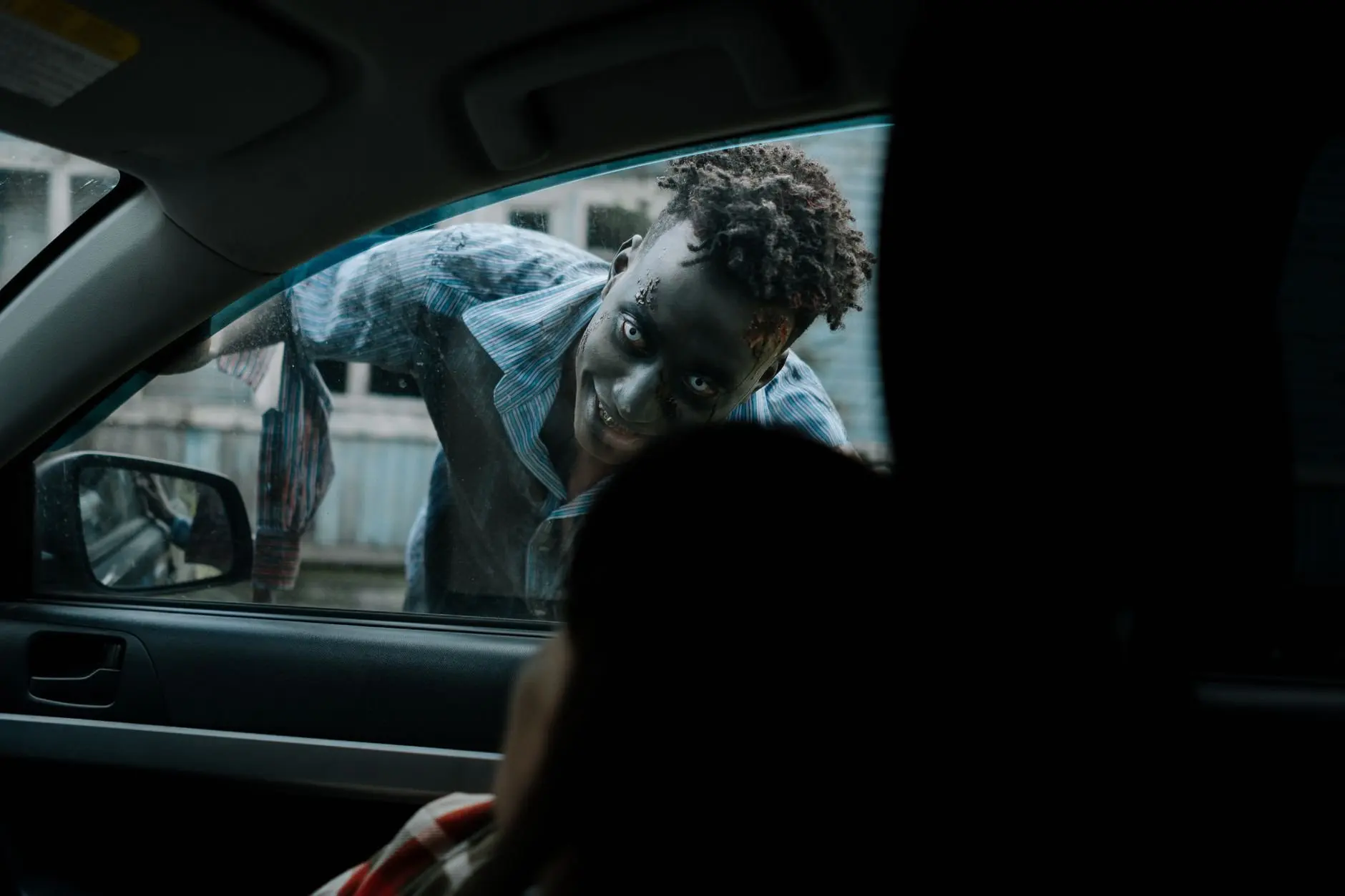
| Playing as a zombie | Cooperate early while zombie numbers are small | Matters most in the first hours of a long campus game |
Tactics here draw on the Miami University account of its Humans vs. Zombies game and a community guide to a zombie video game mode.
The best live action zombie game tips are tactical: agree signals before you move, stay within sight of your team, follow the operator’s running and contact rules, and treat the objective as a shared job.
This list covers what to do once the game is running. For what to do beforehand, see how to prepare for a zombie experience, and for the wider picture of formats, see the live action zombie experience guide.
Staying together as a team
A team-based game rewards groups that act as one unit. Most of the decisions below come down to whether your group is close enough to help each other, and whether each player knows what the group is doing next.
Keep the group tight at the start
Early in a game, a loose group is the easiest to pick apart. A Miami University player quoted in the university’s write-up of its campus game says zombies have to work together in the beginning because there are so few of them. The same logic applies to human teams that begin with scattered players: until you know where the threats are, a tight group gives you more eyes and fewer isolated targets.
A community guide to a zombie video game mode makes a similar point about human survivors. It says that when many players act as a team, their combined attacks create a wall. That is a video game mode, not a live action event, so treat it as an illustration of the principle. Standing shoulder to shoulder in a narrow space presents a united front, and a lone player does not.
Split up only with a purpose
The short answer to staying together or splitting is to stay together by default and split only for a defined job. Splitting is sensible when the objective needs two places covered at once, such as one pair scouting ahead while the others hold a safe spot. Do not split just because the group feels slow.
- Name the reason. Say aloud what each sub-group is doing, so nobody drifts off without a task.
- Agree a regroup point. Pick a place everyone can find without calling out, and say when the sub-groups should return.
- Keep sub-groups big enough to help each other. A pair can look after itself better than a player alone.
- Rejoin before the next big move. Cross open ground as one group, not as scattered arrivals.
Cover every direction when you stop
When the group halts, face outwards rather than all in the same direction. Players back to back in a small circle can see every approach, and each member only has to watch one side. This works best in rooms with several doorways. In a narrow corridor, a line facing both ends does the same job.
Communicating while you move
Clear communication is the cheapest advantage a team can build. A student in the Miami account says a zombie team needs to get a good strategy together to do anything productive. The same is true of human teams, and the strategy has to be short enough to remember mid-game.
Use short calls and agreed signals
Settle a handful of signals before you enter: one for stop, one for go, one for danger behind, and one for regroup. Keep them short so they can be said or gestured quickly. A leader at the front of a single-file line can raise a hand to stop the whole group without a word, which is useful when speaking would give your position away.
Repeat back what you heard. A quick echo of a call tells the caller that it landed, and it catches mix-ups before the group splits in two directions.
Pick one lead voice
Too many people calling at once is its own hazard. Choose one person to make the call when the group faces a decision, and let the rest report what they see. Rotate the role if the leader is also carrying an objective item, so no one has too much to manage.
Moving and avoiding zombies
Avoiding zombies is mostly about information. The more you know about the next room before you enter, the fewer surprises reach your team.
Scout before you commit
Send one player to look around a corner or through a doorway while the rest wait in cover. The scout’s job is to look and report, not to engage. Once the scout signals clear, the group moves together. This is slower than rushing through, and it suits teams that want to preserve their numbers. If time pressure on the objective is high, scout only the riskiest transitions.

Learn how tagging and boundaries work
Rules on running and contact shape every tactic you choose, and they differ between operators. In the Miami campus game, players are tagged with marshmallows, and all academic buildings are off limits during the game. A game where tags are thrown rewards cover and distance. A game with touch tags rewards corridors and doors you can hold. Ask the briefing staff how tagging works, whether running is allowed, and which areas are out of bounds before you plan a route.
Age and eligibility rules can also affect who is on your team; the page on the zombie experience age limit covers that.
Walk quickly instead of running
Where running is restricted, or where the set is dark and uneven, a fast walk keeps the group together and lowers the chance of a fall. Fast walkers also keep the formation intact, which matters more than a few seconds saved. Unless the operator clearly allows running, assume a brisk walk is the safer choice.

Do not count on a late escape
Long events wear teams down. The Miami game runs from noon Monday through Saturday night, and only about 10 of more than 100 players usually survive to the finale. A short operator-run session is a different format, but the lesson carries over: a plan that relies on one lucky dash tends to fail. Build in cover, regrouping and patience instead.

Working the objective together
An objective is the reason the game exists, whether that is finding an item, opening a door or reaching an exit. Teams that treat it as a shared task finish more often than teams that leave it to one hero.
Split responsibilities by role
Give each player a job that fits their strengths. A good split might look like this:
- Lead. Makes the call when the group faces a choice.
- Scout. Looks ahead and reports back to the lead.
- Carrier. Holds the objective item, and stays in the middle of the group.
- Rear guard. Watches behind the group and calls out threats.
The video game guide notes that having one player take aggro, meaning draw the enemy’s attention, can make things significantly easier. In a live action game, the nearest equivalent is a designated player who calls attention to themselves away from the carrier. That role suits a confident, fast player, and it should be volunteered, not assigned.
Pass items along instead of racing
When the objective item has to move, hand it between teammates rather than leaving it with one exhausted player. The same guide says score can be pooled into one person, especially if their class has powerful weapons. The live action version of that idea is to concentrate the objective with the player best placed to protect it, then swap when they are in trouble.

If you are playing zombies
The advice flips when you are on the zombie side. Zombie numbers are low at the start, so cooperate early and share information about where humans were last seen. A shared plan lets zombies do something productive instead of chasing individuals in circles. The Miami game also shows how large these events can get: it has grown from 70 participants in its first year to 140 the year before the article was published. Group size at your event will depend on the operator, so check the booking details.
Frequently asked questions
| Question | Answer |
|---|---|
| How can I tell zombies from humans? | Operators usually use visible markers. At Miami, humans wear yellow armbands and zombies wear headbands to distinguish themselves, according to the university’s report. Confirm the marker system at your own event’s briefing. |
| How many people play a live action zombie game? | It varies by event. The Miami campus game grew from 70 participants in its first year to 140 the year before the report, and the format is played on more than 600 college campuses. Team sizes for operator-run sessions are set by the operator. |
| What should a team do first when the game starts? | Agree who leads, which signals mean stop and go, and where to regroup if you are separated. Those three decisions cover most early confusion. |
| Is it better to hold still or keep moving? | Hold still in cover while a scout checks ahead, then move together at a steady pace. Constant movement without scouting leads to avoidable contact, and long pauses waste time on the objective. |