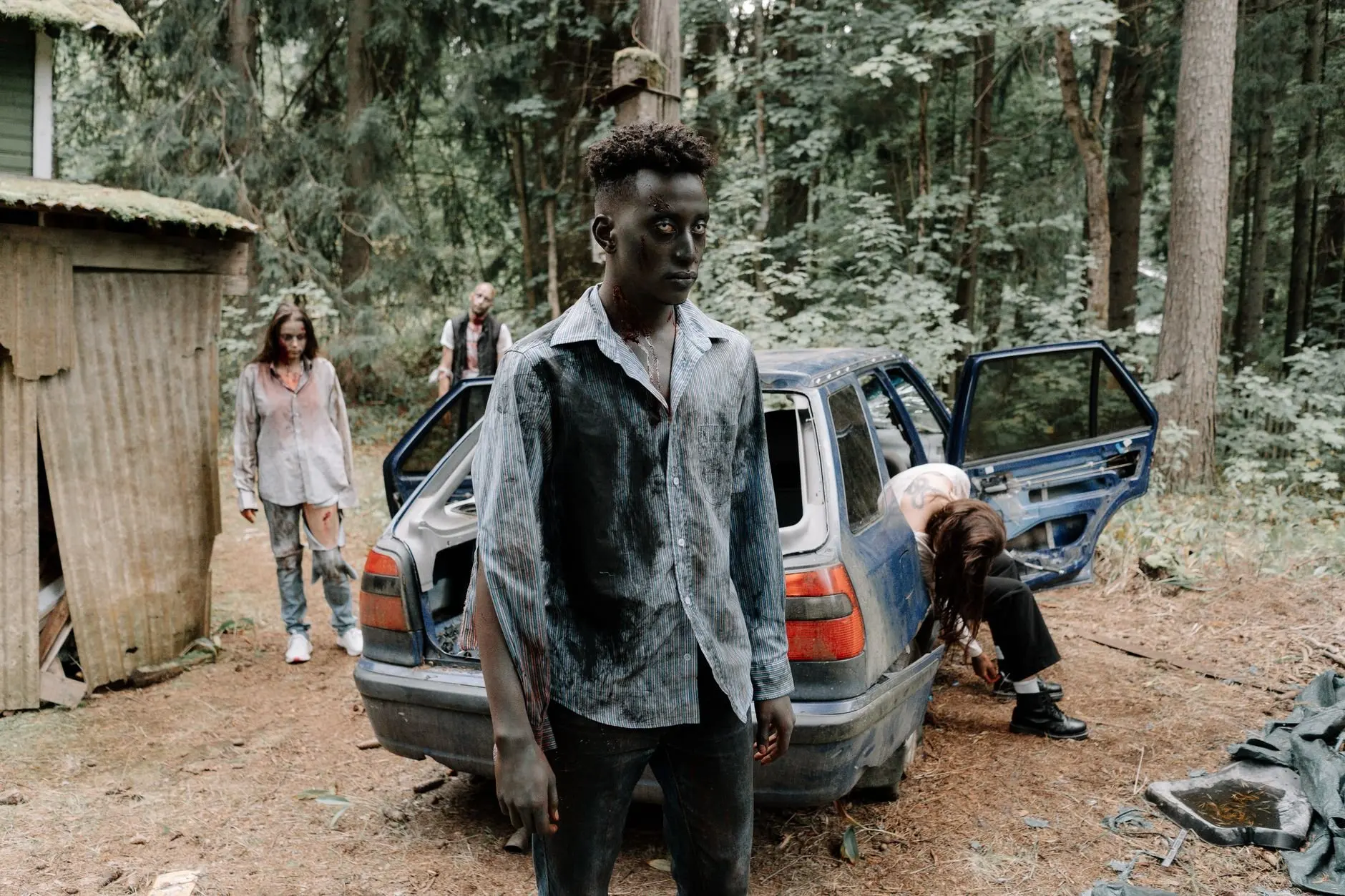
A zombie escape room is a timed, locked-room game in which a team solves puzzles to get out before the hour runs down. Group size and fear level decide which room suits you.
Plenty of people searching for zombie experiences near me end up choosing between several formats. This guide covers only the mechanics of one escape room session and how to match a room to your group.
Picture a group chat where one friend wants a proper scare, another wants only puzzles, and a third has no idea how many people can fit. The short answers below settle most of that argument.
- Format: the goal is to find a way out of a locked room within the time limit, working as a team on logical puzzles and clues.
- Group size: one listed zombie room takes 2 to 12 players, so check the cap before inviting everyone.
- Fear level: it depends on the room and the operator, and a virtual version exists for anyone who wants the theme without in-person actors.
- Time: the same listing shows a 60-minute limit, which is the usual length to plan around.
How a zombie escape room session works
A zombie escape room session is a locked-room challenge with a countdown timer. The goal, as the World of Escapes listing for a zombie lab room puts it, is to find a way out of a locked room within the given time limit. The zombie story only dresses up that core mechanic.

The same listing shows a 60-minute limit. That figure is a sensible planning default, but operators set their own limits, so confirm the length when booking. Plan the rest of the outing around a full hour of play, plus time to arrive and be briefed.
Players work as a team to solve logical puzzles, uncover clues and follow the storyline. In that listing the story is a lab experiment that turns the player’s host into a zombie, and the zombie’s chain grows longer as the hour ticks away. The countdown therefore doubles as the source of tension, because the story visibly gets worse as time runs out.
One caution applies to bookings. The World of Escapes page states that it provides only informational services about the project’s activities and does not organize the game. Treat a listing portal as a directory, and take start times, group caps and any age or safety rules from the operator’s own booking page.
Puzzles and themes in zombie outbreak rooms
Zombie outbreak rooms pair a disaster setting with ordinary escape puzzles: locks, hidden clues and doors that stay shut until the right item is found. The zombie layer sets the scene, but the solving is the same kind of work as in any escape room.

Making Teams’ virtual zombie escape room walkthrough shows the pattern clearly. Players open a drawer and find a set of clues about the keys. They then face a set of six keys and must work out which one is correct. Trying a door with the wrong key leaves it closed, so every lock rewards matching a clue to an object.
Themes vary. The walkthrough sets its outbreak in a hospital, where people lie slumped along a corridor after a zombie attack. The World of Escapes room instead uses a laboratory experiment gone wrong. When comparing rooms, the theme description tells you what the space will look like, and the puzzle style matters more if you are choosing for the people who will be solving.
What to expect from the clues
Clues sit in furniture and on props, and they feed into locks elsewhere in the room. A clue found in one drawer may not apply to the lock in front of you. Players who read everything aloud and keep found items in one place waste less of the countdown.
Fear level: scary, or only tense?
Whether a zombie escape room is scary depends on the room, because the theme can be grim even when no actor appears. The hospital walkthrough describes people covered in blood in a corridor, which is a disturbing scene for sensitive players. The zombie chain that grows longer as time passes adds pressure without needing a person in costume.
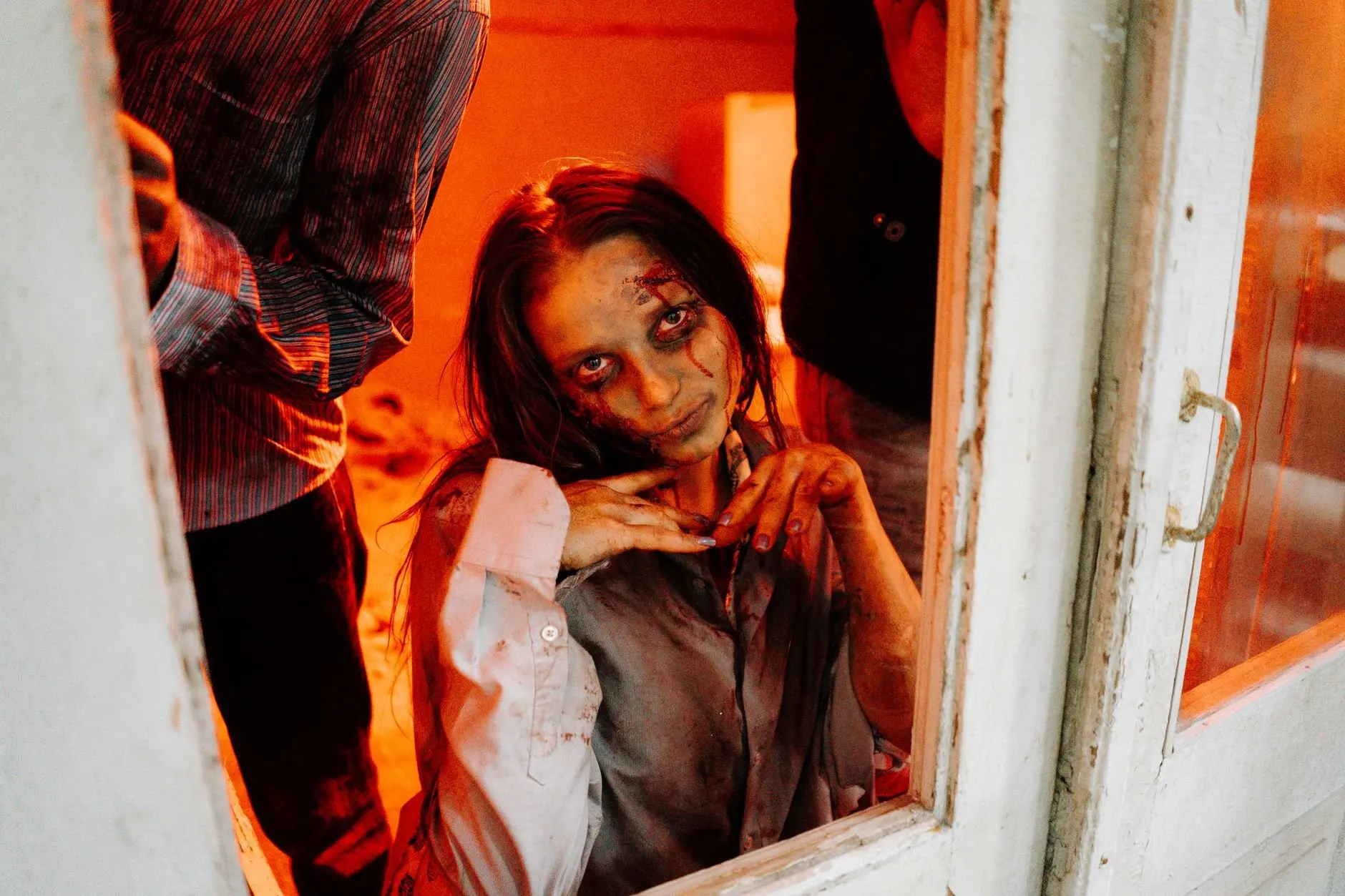
A zombie escape room can be played without live actors. Making Teams sells a virtual zombie escape room game, and an online version removes in-person performers entirely. That makes it the lowest-pressure way to try the theme, and a sensible starting point for a nervous group or a remote team.
Before booking an in-person room, check the operator’s FAQ page for whether costumed performers appear and how intense the set is. If the answer is unclear, ask directly. Players who want constant scares may prefer a zombie haunted house, while a puzzle-first room suits people who care more about solving than being startled.
- Choose a puzzle-led room when the group is mixed in how much fear it enjoys, since the story pressure comes from the clock rather than a person jumping out.
- Choose the virtual game when anyone in the group would struggle with gore, darkness or confined sets.
- Check the theme text for words such as outbreak aftermath or blood, which signal a darker look.
Group size and team building
Group size is set by the room, and the range is wide. The World of Escapes listing for the zombie lab shows a player range of 2 to 12. A pair can book a session, and a large group can fit in the same room, but the best number sits inside that range rather than at either end.
Escape room games are promoted as team-building activities, and the format fits because every lock needs shared information. That is why the unique pressure of a single session is the team itself: puzzles, clues and the story only advance when people communicate. For workplace groups, a room that lets everyone take part matters more than squeezing in extra people who end up watching.

| Your situation | What the facts point to | Planning use |
|---|---|---|
| Pair or very small group | The listed range starts at 2 players | Book a room that accepts your number, and confirm the operator will run a session for small groups. |
| Large group | The listed range tops out at 12 players | Treat 12 as a ceiling for that room, not a target, and check the operator’s cap before inviting everyone. |
| Mixed fear levels | A virtual zombie game exists | Offer the online version, or pick an in-person room described as puzzle-led. |
| Time-limited evening | The listing shows a 60-minute limit | Allow the full hour of play plus arrival and briefing. |
Figures come from the World of Escapes listing for the zombie lab room and Making Teams’ virtual zombie escape room page.
Choosing a room
Choose the room by working through three decisions in order: who is coming, how much fear they want, and how long the group can commit. Settle the headcount first, because it filters out rooms that cannot take you.
- Count the players. Compare the number against the operator’s minimum and maximum, and keep the group inside that range.
- Decide the scare level. Read the theme description, then ask whether costumed performers are used.
- Check the time limit. Expect around a full hour, and confirm it on the operator’s page.
- Confirm the booking details. Use the operator’s own page, not a third-party listing, for rules and availability.
If a locked-room game does not suit the group, a walking format is the closest alternative, such as a zombie tour. That route replaces puzzle solving with a guided route, so it suits people who want atmosphere without a deadline.
Troubleshooting a stuck session
Most stalls come from information that sits with one person. Because clues sit in drawers and furniture, and each lock matches its own key, a clue found early may belong to a lock the team has not reached yet.
- Everyone is stuck on one lock: pause and read out every clue found so far, since the matching clue may already be in someone’s hand.
- A key does not work: assume it belongs elsewhere. In the hospital walkthrough, trying a door with the wrong key leaves it shut, and only one key from the set of six is correct.
- The group is arguing about the story: return to the stated goal of getting out of the locked room within the limit, and let the theme wait.
- A player feels uneasy: pick a room with a lighter theme next time, or move to the virtual game, where no in-person actors are involved.
Frequently asked questions
| Question | Answer |
|---|---|
| Is a zombie escape room scary? | It depends on the room. The hospital outbreak walkthrough describes blood-covered scenery, while the countdown adds pressure in any version, so check the theme and the operator’s FAQ. |
| Can I play a zombie escape room without live actors? | Yes. Making Teams sells a virtual zombie escape room game that is played online rather than in person. |
| How many people can join one session? | One listed zombie lab room accepts 2 to 12 players. Other rooms set their own limits, so confirm with the operator. |
| How long does a session last? | The listed zombie lab room has a 60-minute limit, and the story grows more threatening as that hour runs down. |