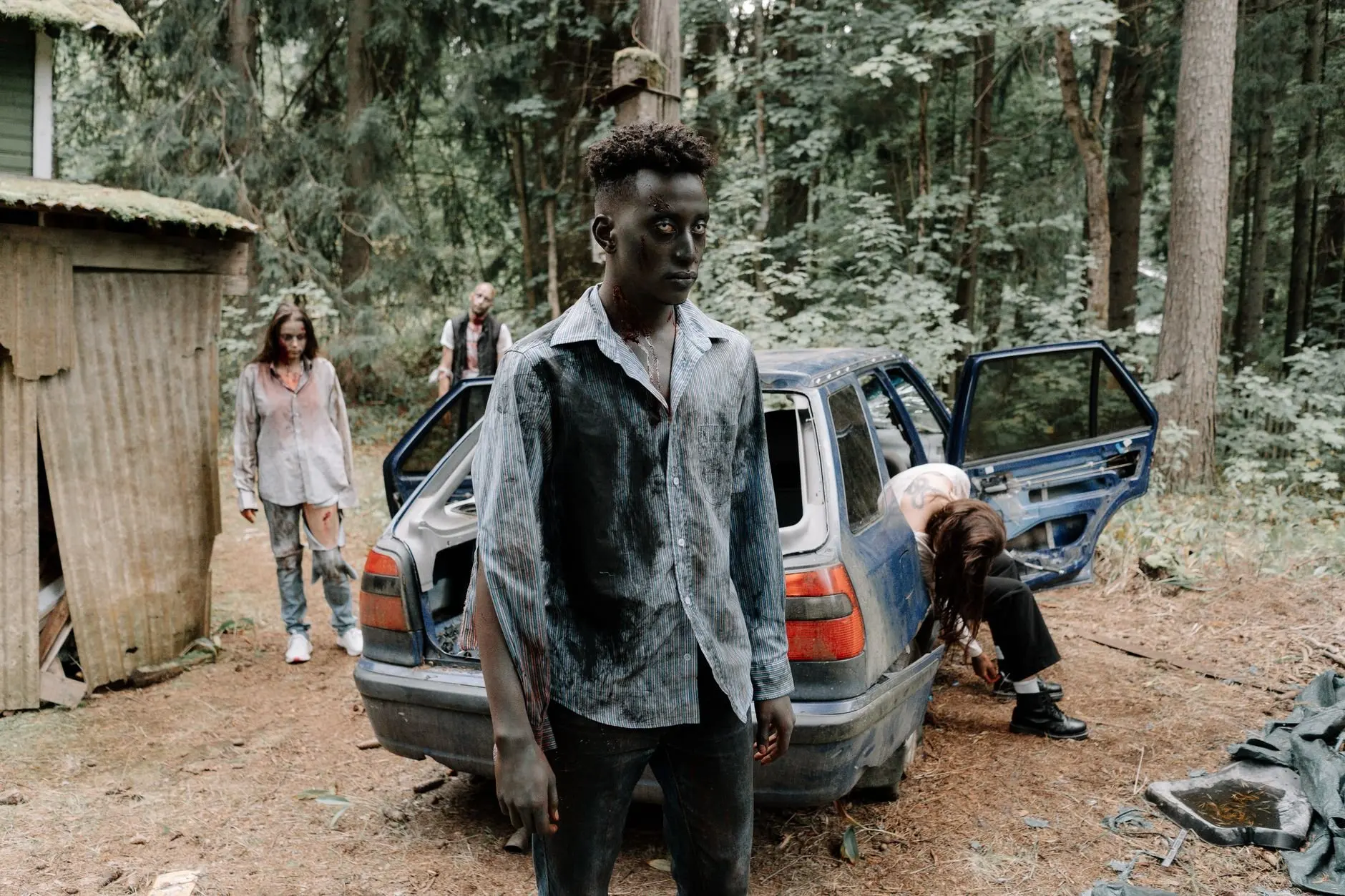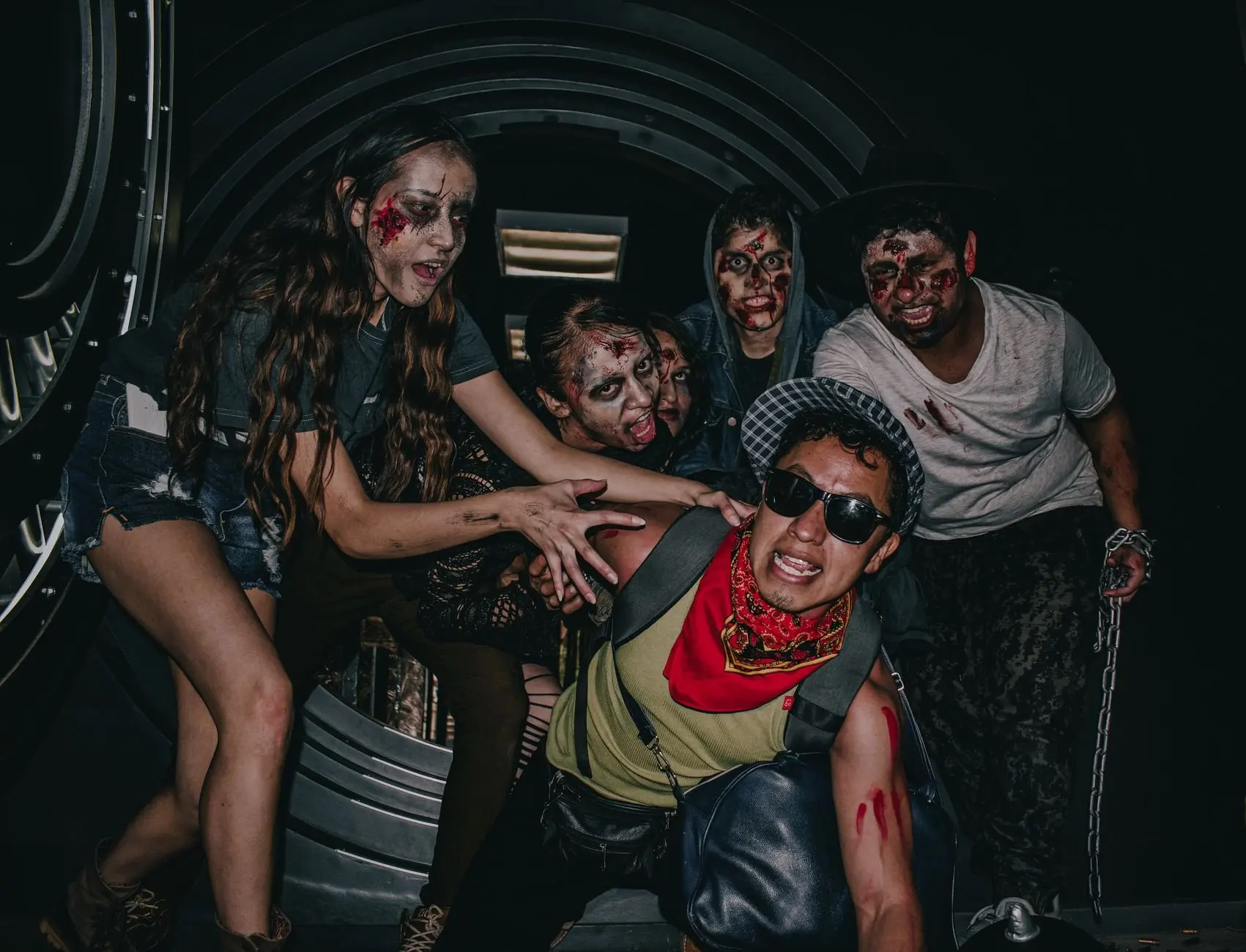
| Format | What it involves | Operator-stated details | Planning use |
|---|---|---|---|
| Zombie escape room | A team solves puzzles against a clock inside a story, such as a lab lockdown with a zombie horde | Syracuse listing: 2-12 players, age 6+, 60 minutes, private booking shown | Best for a defined group that wants a mental challenge. Check the player cap before inviting people. |
| Zombie haunted house | A walk-through attraction where costumed performers provide the scares | Directory entries can lack operator information | Best for groups that want fright. Confirm content, opening dates and age guidance with the venue. |
| Zombie run or obstacle race | A course in which costumed chasers add pressure | Terms vary by organizer | Best for active friends and teams. Check fitness expectations and entry rules first. |
| Zombie paintball, laser tag or shooting | A team shooter game against a zombie theme | Terms vary by operator | Best for competitive groups. Check equipment, age and safety rules before booking. |
| Zombie walk or pub crawl | A costumed social event on foot | Terms vary by organizer | Best for relaxed groups who enjoy dressing up. Confirm route, date and entry rules. |
Escape room figures come from the Syracuse zombie apocalypse listing, and the tour details come from Geek Nation Tours.
Zombie experiences near me can mean puzzle rooms, haunted houses, chases, paintball, walks or guided tours, and the best fit depends on intensity, age limits and group type. Confirm ages and dates on the operator’s own page before booking.
Each format below has its own deeper guide. The sections run from scare-led and puzzle-led options to the most physical ones, then cover age limits, cost and timing.
How the main formats differ
A zombie escape room, a zombie haunted house and a zombie run each ask something different of the visitor. The first asks you to think, the second asks you to endure scares, and the third asks you to move. Choosing between them is mostly a question of what your group enjoys, not which theme sounds best.
- Escape room: you solve. A team works through puzzles inside a story. One operator frames its game as a lab lockdown where players must develop a vaccine and escape the facility. The zombies are the setting and the pressure, and the main activity is problem-solving.
- Haunted house: you are scared. You move through staged scenes and meet performers in character. The visitor is mostly passive, and the attraction supplies the fright.
- Run or obstacle race: you move. The challenge is physical, and the zombie element is the chasing and costume layer on top of a course.
- Paintball or laser tag: you compete. The zombie theme becomes a team shooter game with objectives and opponents.
- Walk or tour: you take part socially. The emphasis is on costume, atmosphere and company rather than on a scored challenge.
Those distinctions matter because they predict who will be comfortable. A person who dislikes being startled can still enjoy a puzzle room. A person who dislikes physical exertion can still enjoy a walk or a haunted attraction. Matching the verb (solve, endure, move, compete, stroll) to the group removes most bad bookings before they happen.
Scare-led formats
Zombie haunted houses
A zombie haunted house is the most direct way to meet costumed performers. It suits groups that want to be frightened together and are happy to follow a set route. Haunted attractions are the format where a themed entrance tells you least about how intense the inside will be, so the operator’s own description matters more than the facade.
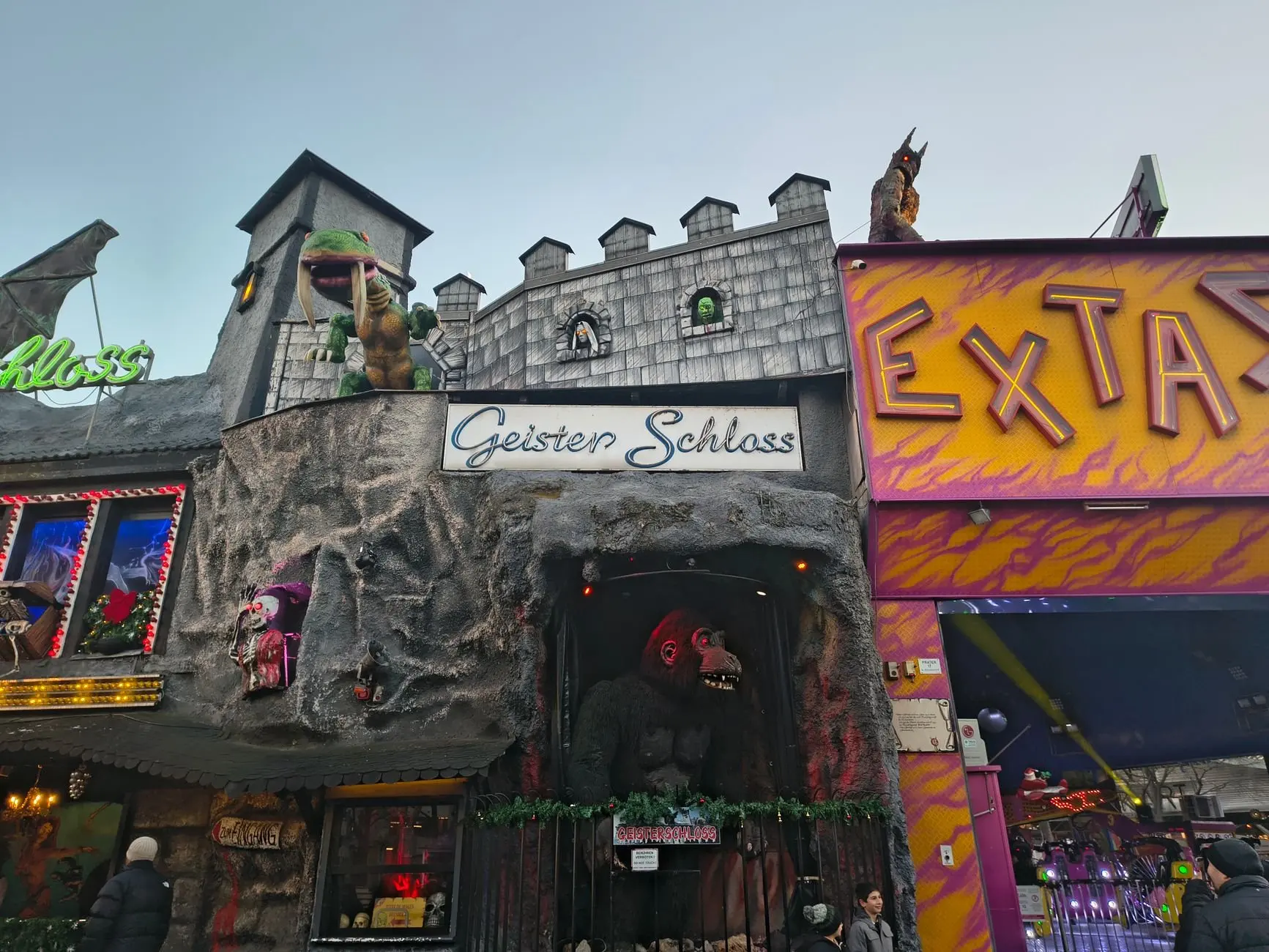
Directory pages file zombie attractions in this category. The Frightfind entry for Zombie Shoot is posted under Haunted Attractions and Haunted Houses, which shows that a shooting-style zombie game can sit inside the haunted-attraction listings. The same entry says the haunted house is in need of information. A directory is a good place to discover that a venue exists, but it is a weak place to confirm hours, ages or content.
Haunted houses can also appear inside a larger trip. Geek Nation Tours’ concept for a zombie training tour includes the Chamber of Horror Haunted House in its Atlanta itinerary, which the operator describes as touted as the scariest experience in Atlanta. That placement shows how a scare-led stop can be one part of a longer plan rather than the whole outing.
Judging the scare level
Scare level is the single biggest unknown with this format, and it is one the facts on a listing rarely settle. A practical approach is to ask the venue direct questions before buying tickets.
- Contact rules. Ask whether performers touch visitors or stay at a distance.
- Exit options. Ask whether a nervous visitor can leave part-way through.
- Age guidance. Ask whether the operator states a minimum age or recommends against younger children.
- Content warnings. Ask about strobe lighting, fog, enclosed spaces and gore, since these decide comfort for many visitors.
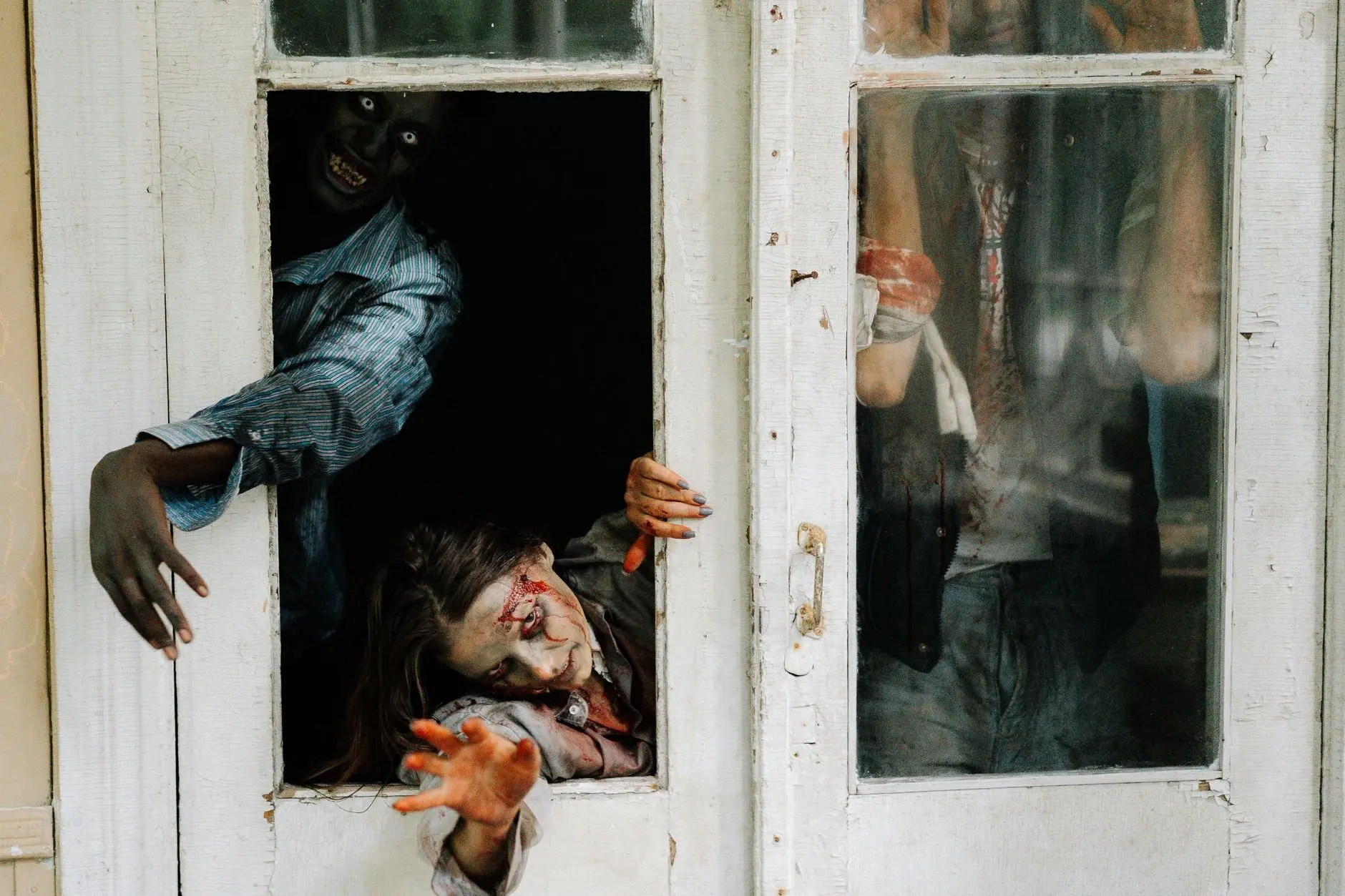
If a venue answers those questions clearly, that is a good sign. If it does not publish anything on them, treat the first visit as a gamble and choose a group that tolerates surprises. For a group that wants less fright, the next format gives the same theme with far more control.
Puzzle-led formats
Zombie escape rooms
A zombie escape room is the most predictable zombie format, and it is the one with the clearest operator-stated numbers. The Syracuse listing shows a team size of 2-12 players, an age of 6+ and a duration of 60 minutes. It also shows a private booking option and a 48% success rate.
The story on that listing places players in a lab lockdown with a growing zombie horde. Players must develop a vaccine and escape the facility. The Columbus version on the operator’s Columbus page gives the game length as 60 minutes and describes finding an administrator’s key card within that time. It also lists 2-6 players and age 6+.
The two listings show that the same operator and storyline can have different team caps by location. Never assume a team size from one city’s page. If your group is larger than the cap, either split into separate teams where the venue allows it or choose another format.
Choosing between a private game and a shared one
The Syracuse listing displays a private booking option. For groups of friends or family, that matters because puzzle rooms depend on cooperation, and a private game removes the risk of mixing with strangers. Whether a shared session exists is something to confirm directly with the venue, because the listing only states that private booking is shown.
The 48% success rate is displayed by the operator on that listing. Read it as a rough signal of difficulty. It suggests the room is not a guaranteed win, which suits groups that enjoy a real challenge. Groups with young players or first-time visitors may prefer to ask the venue how hints work.
An escape room is also the gentlest route into zombie themes. The scare factor is set by the venue’s design, not by actors chasing you, which makes it the natural first step for mixed-age groups and for anyone unsure about fright. Families can start with the guide to kid friendly zombie experiences to see how the formats rank for younger visitors.
Active formats
Zombie runs and obstacle races
A zombie run turns a course into a chase. It suits friends and teams who like exercise, and it is the format where fitness, not nerve, decides how enjoyable the day is. Such events are usually organized by an event organizer, not a permanent venue, so the date, location and entry terms are published on that organizer’s page and should be confirmed there.

The decision points for this format are physical. Decide whether your group wants a competitive race or a casual jog with scares. Decide how comfortable everyone is with mud, uneven ground and being chased. Check what the organizer requires of entrants and what it says about participants who prefer a slower pace.
Zombie paintball, laser tag and shooting
Zombie paintball and laser tag turn the theme into a team game. It suits competitive groups, birthday parties and friends who prefer action to fright. Indoor and outdoor courts differ in layout and weather exposure, so check which one the operator runs.
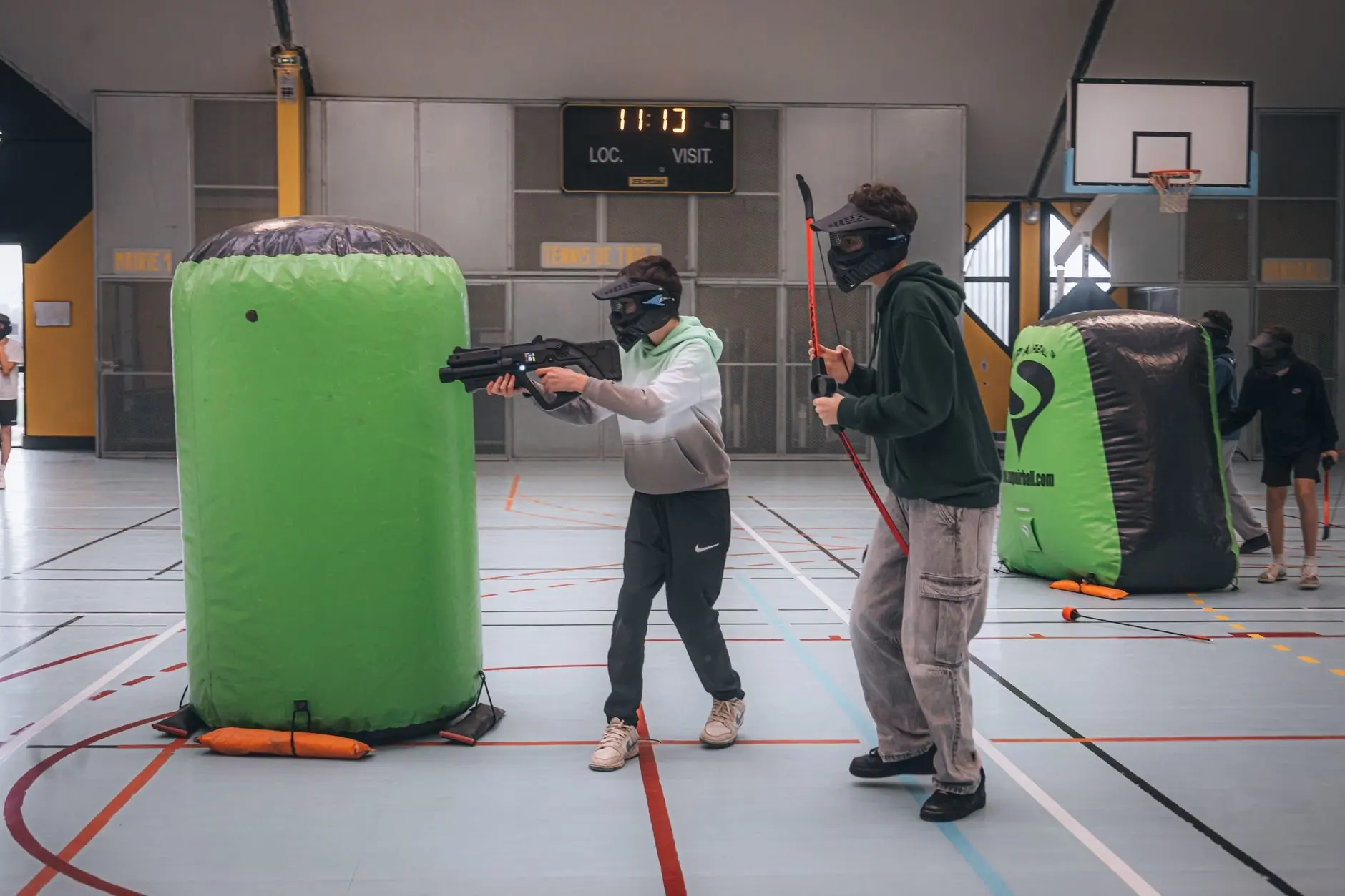
A step beyond that is the zombie shooting experience, where the targets are zombie-themed and the activity is closer to range practice. Geek Nation Tours’ training concept includes this: its training day invites participants to put new skills to the test by shooting undead zombie targets. That makes it suitable for adults and for groups comfortable with equipment and safety briefings, and it is unlikely to suit those who want a light-hearted outing.
Across all shooter-style games, expect rules about protective gear, age and conduct. Read them before you book, and do not assume that rules at one operator apply to another.
Walking, touring and staged formats
Zombie walks and pub crawls
A zombie walk is the most social and least demanding option. Participants dress as zombies and move through streets together, so the experience is about costume and company rather than scares or scores. It suits large, mixed groups and anyone who wants to take part without being startled.
The pub-crawl variant adds licensed venues, which limits it to adults. Check the organizer’s rules on entry and on what counts as acceptable costume before you commit to an outfit.
Guided zombie tours
A zombie tour packages themed stops into an itinerary. The operator’s page lists a 9-day length, a status of on hold, and destinations of Atlanta and Orlando.
That same page says the tour has yet to be built. It gives a departure of October 2029 and a return of November 2029, and says pricing information is to follow. Treat it as an idea that is not yet bookable. A visitor who wants a trip today should look for shorter walking tours with dates and prices already published, and should confirm availability before planning travel.
Theatre, theme parks, VR and training
Several other formats suit specific moods. A zombie dinner theater combines a meal with performers, which suits adults who want atmosphere without physical effort. Zombie theme park attractions fit groups that want several experiences in one visit. A zombie virtual reality arcade gives a controlled, indoor version of the fight. Zombie survival training suits people who prefer a skills-based day to a scare.
Each of these has its own pricing and age rules, which the operator publishes. Compare them by what you want to do rather than by theme alone.
Age limits and family fit
Zombie experiences range from suitable for young children to adults only, and the dividing line is set by the operator. The clearest operator-stated limit in the verified listings is age 6+, shown on both the Syracuse and Columbus escape room pages. That makes escape rooms the most accessible format for families, though it should not be read as a promise that every operator accepts the same age.
The other formats are less likely to suit young children, and the reasons are format-specific.
- Haunted houses. Fright and enclosed spaces are the point, so ask the venue for age guidance before bringing children.
- Runs and obstacle races. Physical demands and entry terms are the deciding factors, so read the organizer’s rules.
- Paintball, laser tag and shooting. Equipment and safety rules usually matter most, so look for the operator’s stated minimum age.
- Pub crawls and dinner shows. These are aimed at adults because alcohol or evening scheduling is involved, so check the stated entry rules.
For a family planning an outing, start from the puzzle format and move up in intensity only when the youngest member is ready. Families can use the guide to kid friendly zombie experiences for that sequence. Adults who want a grown-up outing can look at zombie date night ideas, which favour formats that work for two people rather than a crowd.
Cost and what to compare
No single price range applies across zombie experiences, because each format has its own pricing structure and each operator publishes its own. A fixed typical price would mislead. The Geek Nation Tours page, for example, says pricing information is to follow, so the tour has no published price at all.
Instead of hunting for an average, compare listings on a consistent set of questions.
- Per person or per group. Puzzle rooms may price by team, while races and walks often price by entrant. Confirm which basis the operator uses before comparing totals.
- What is included. Check whether costumes, protective gear, photos or food are part of the price.
- Duration. A 60-minute escape room and a multi-day tour are not comparable on price alone, so divide cost by the time and content you receive.
- Booking terms. Look for private booking options, deposits and change policies on the operator page.
Where a listing shows no price, contact the operator rather than relying on a directory. Operator pages are the only place where current prices are reliable.
Seasons and dates
Some zombie experiences are tied to Halloween and some are not, and the operator’s page is where that is stated. Geek Nation Tours’ concept is the clearest example of seasonal tying. The operator says the tour is focused on Halloween Horror Nights at Universal Studios and will centre around Halloween, with a departure in October 2029 and a return in November 2029. It adds that dates are not yet settled.
Other formats are set by the venue rather than the holiday. The Syracuse escape room listing presents a session by duration, team size and booking option, with no seasonal framing. That does not prove year-round opening, so confirm availability directly. Venues that depend on outdoor space, event permits or seasonal staffing are more likely to operate in a limited window than a permanent indoor room.
A practical rule is to check the operator’s calendar before planning anything around a date. If you want the October experience specifically, the guide to halloween zombie events covers formats that cluster around that month. If you are visiting outside it, lean toward permanent indoor formats such as escape rooms.
Joining in with costume and makeup
Walks, runs and some haunted events let visitors take part as zombies rather than just watching. That makes costume preparation a real part of the plan. Check the organizer’s rules on face paint, props and clothing before you spend time on a look, because some events restrict what participants can wear or carry.
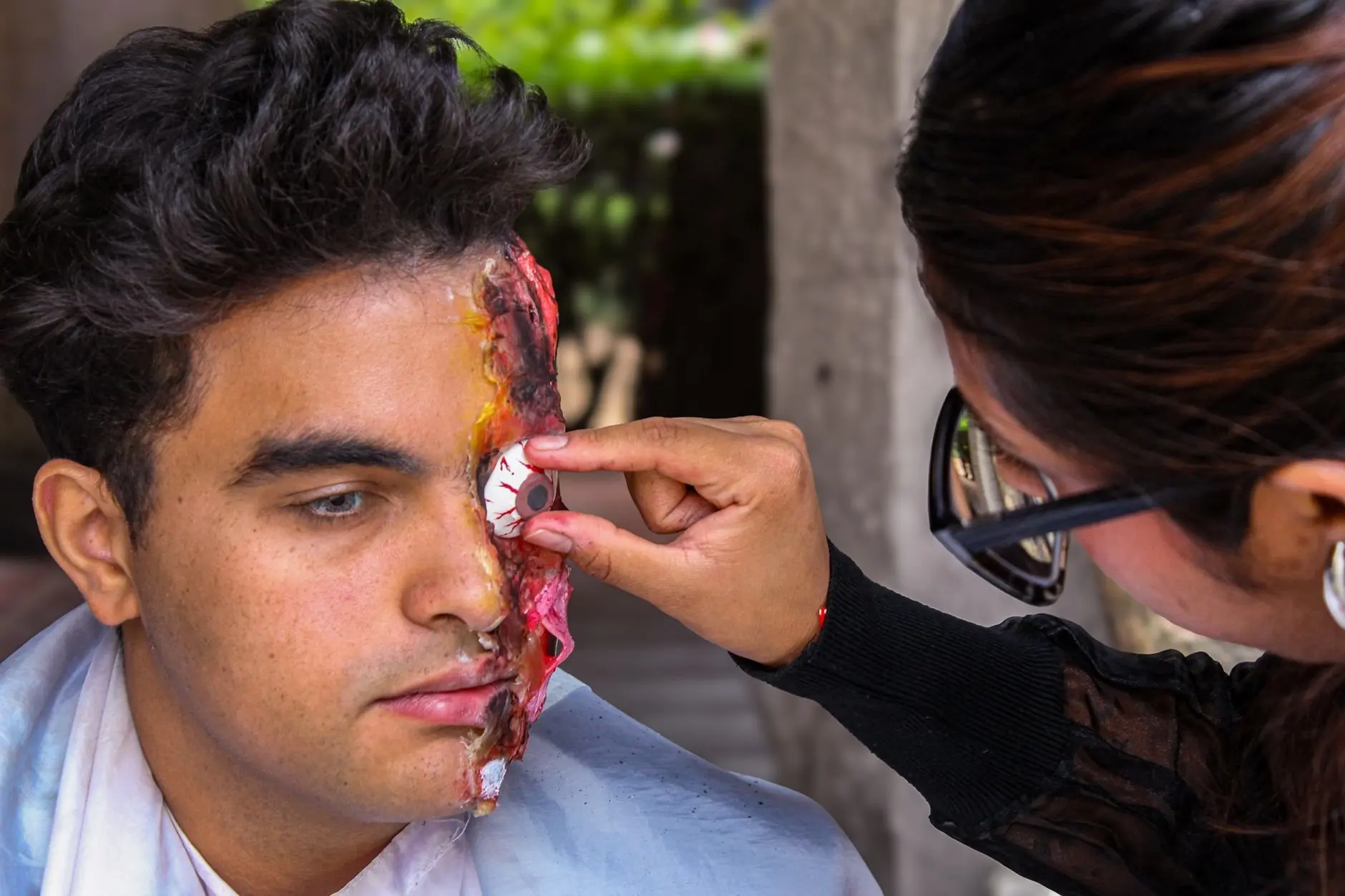
A simple painted look is easier to wear for a long walk than a heavy one, and it is easier to wash off afterwards. A more elaborate look suits a short event or a photo-focused outing, since prosthetic pieces take time to apply.
If a venue supplies its own makeup or costume service, the operator page will say so. Otherwise, bring what you need and confirm that it is allowed. Participants in a walk or crawl should also plan comfortable footwear, since the format involves covering distance on foot.

Finding experiences near you
The fastest way to build a shortlist is to start from the format you want and then search locally for it. The guide to finding a zombie experience near me explains how to narrow options by location, and the format guides above show what to expect once you have a candidate.
When you find a listing, treat it as a lead and not a confirmation. Directory entries can be incomplete, as the Zombie Shoot page shows by flagging its own lack of information. The operator’s page is the source for ages, team sizes, durations and booking terms. Where several operators run the same storyline in different cities, confirm the details for your specific location, since the escape room caps above differ between sites.
A good shortlist has three options at different intensity levels. That gives the group a gentle choice, a medium choice and a bold one, and lets the least confident member vote first.
Frequently asked questions
What does the 48% success rate on an escape room listing mean?
It is the figure the operator displays on its Syracuse listing alongside team size and duration. Read it as an indicator that the room is a real challenge rather than a guaranteed win.
Can I book an escape room privately?
The Syracuse listing shows a private booking option. Whether other locations or sessions offer the same should be confirmed with the operator before you plan around it.
Can I rely on a directory listing for opening dates?
No. A directory page is useful for finding a venue, but an entry such as Zombie Shoot on Frightfind says it needs operator information. Confirm dates, ages and content with the venue itself.